Native Plant of the Month: Coastal Bush Lupine
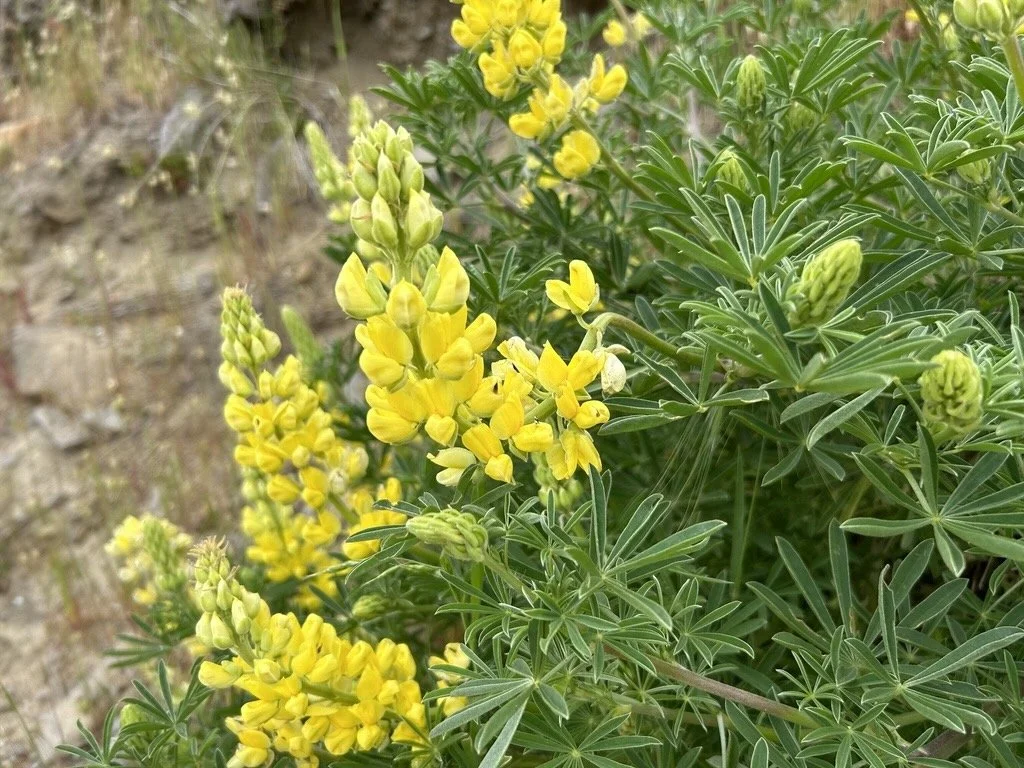
Coastal bush lupine (Lupinus arboreus) is a beautiful late-spring-blooming perennial found along the coast of California. Its flowers—usually yellow, occasionally purple—attract pollinators and add a touch of color to many landscapes. Although it is considered invasive on parts of California’s coast, it provides many benefits to its local range of Point Reyes to San Luis Obispo and to inland gardens.
Characteristics and Habitat
Coastal bush lupine is an evergreen shrub that can grow up to seven feet tall and four feet wide. It has silvery-green palmate leaves composed of five to seven leaflets. These leaves are coated in soft, fine hairs. During the late spring and early summer months of May through July, bright yellow flowers bloom in racemes, clusters with flowers growing next to each other along a stem. There is also a rare purple flowering form for this species. Coastal bush lupine flowers are sweet scented and provide food and shelter to pollinators.
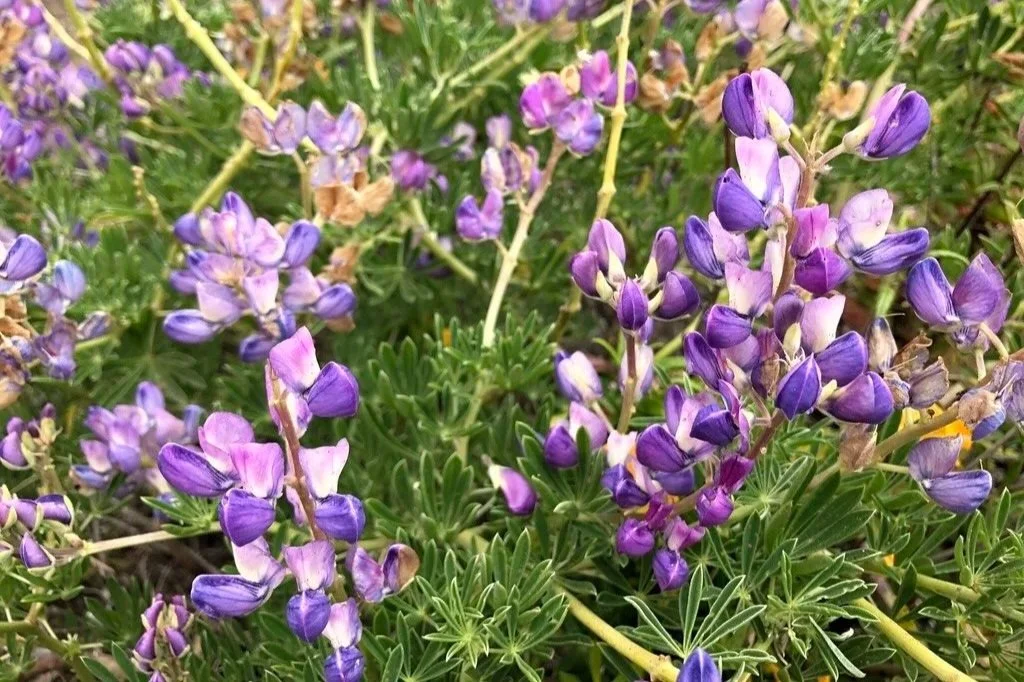
Michael Chassé, iNaturalist (CC BY-NC-ND)
This lupine species grows along the coast of California from Crescent City to San Diego in bluffs, dunes, and slopes. However, its native range is smaller and speculated to be only from Point Reyes National Seashore to San Luis Obispo. It is considered invasive on coastal dunes outside of this range by the California Native Plant Council due to its ability to spread quickly and its nitrogen fixing properties. Coastal bush lupine prefers coastal dunes, however, it is a resilient species that aggressively spreads through seeds and can be found in disturbed habitats like roadsides. It inhabits chaparral, coastal sage scrub, and coastal scrub communities.
Ecosystem Services
Coastal bush lupines provide a variety of ecosystem services. These include food and habitat for pollinators, soil enrichment via nitrogen fixation, erosion control, and more. Their spires of flowers attract pollinators such as bees, butterflies, moths, and hummingbirds during their blooming months. Lupine nectar serves as a food source for these pollinators. The stems and palmate leaves of this plant serve as suitable homes for butterfly and moth larvae. Some of the species that coastal bush lupines have been confirmed to support are Ranchman’s tiger moth, the orange tortrix moth, and the silvery blue butterfly.
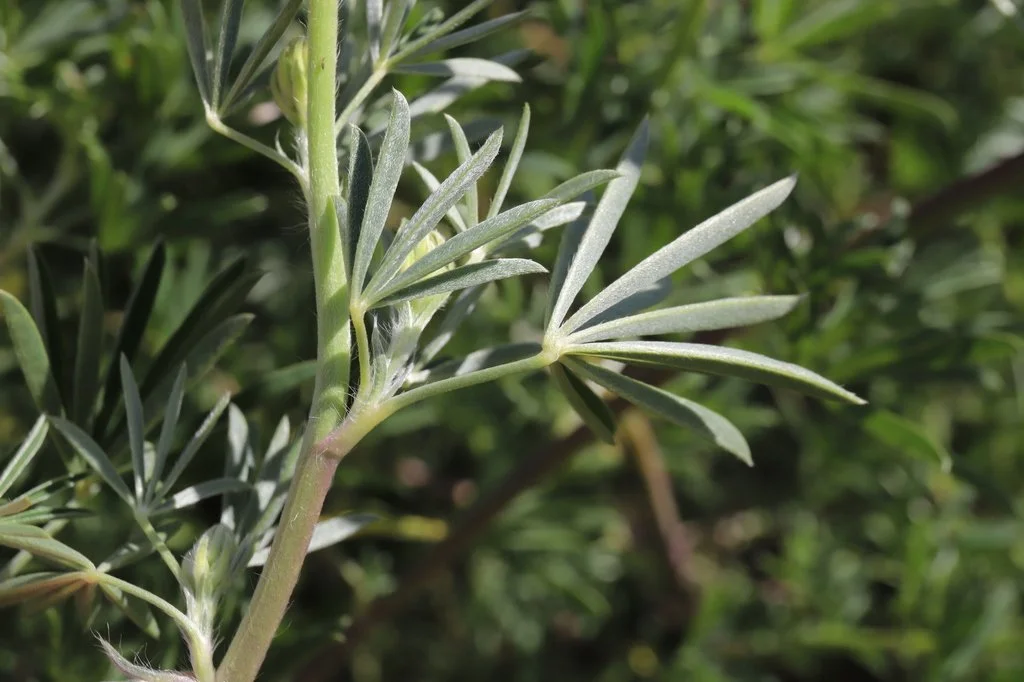
Joey Santore, iNaturalist (CC BY-NC)
Like most lupines, coastal bush lupines are excellent nitrogen fixers. They form relationships with a type of bacteria called rhizobium that lives on the nodules of lupine roots and converts nitrogen from the atmosphere into nitrogen into the soil. This process changes the chemistry of the soil and can result in an improvement for nutrient deficient soils, or damage for local native plants that are adapted to low nitrogen levels.
Due to the deep taproot structure and lateral roots of yellow lupines, they are great for erosion control and bank stabilization.
Growing Coastal Bush Lupine at Home
Coastal bush lupines are a beautiful addition to green spaces with well draining soil and full sun. They require little water; during warmer months once plants are established, irrigation is only necessary twice per month. Coastal bush lupines prefer sandy soil and grow well with chaparral and coastal strand species like ceanothus and salt grass. They can tolerate cold temperatures down to -12 degrees fahrenheit. These lupines are aggressive spreaders, therefore, it is recommended to cut seed stocks before seeding to prevent the spread of this plant.
Where to Find Coastal Bush Lupine and Other Native Plants
Look for coastal bush lupines growing wild in dunes along the coast. Their bright flowers are easy to spot during their blooming season from May through July. Our nursery grows coastal bush lupine and other California native plants using carefully sourced seeds and cuttings. See our latest inventory for online sales here:
By Ariana Camacho Gallegos, California Climate Action Corps Member