
A Native Garden Timeline
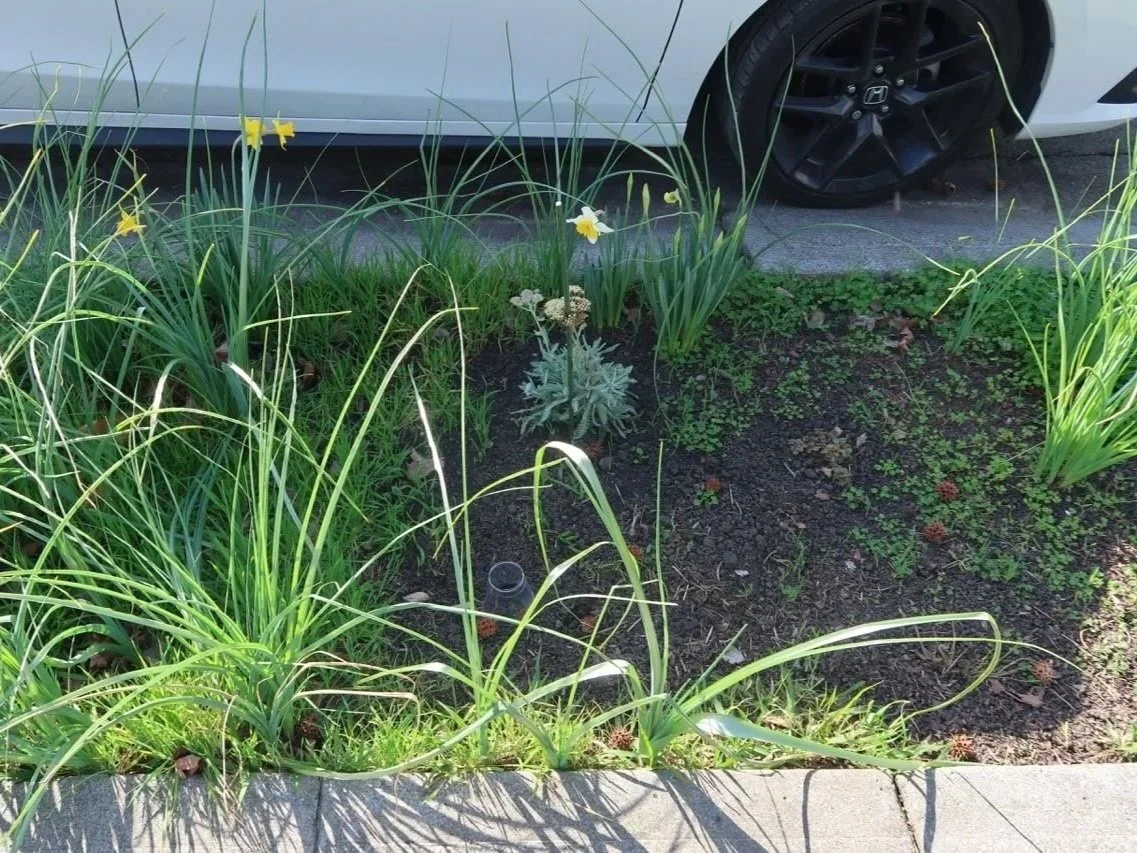
During her year with Grassroots Ecology, Habitat Restoration Intern Aranza Aranda was inspired to incorporate native plants into her own garden. Read on for a timeline of the process, and her lessons and takeaways from creating a partially-native landscape at home.
Grassroots Ecology Restoration Sites Now and Then: Arastradero Preserve
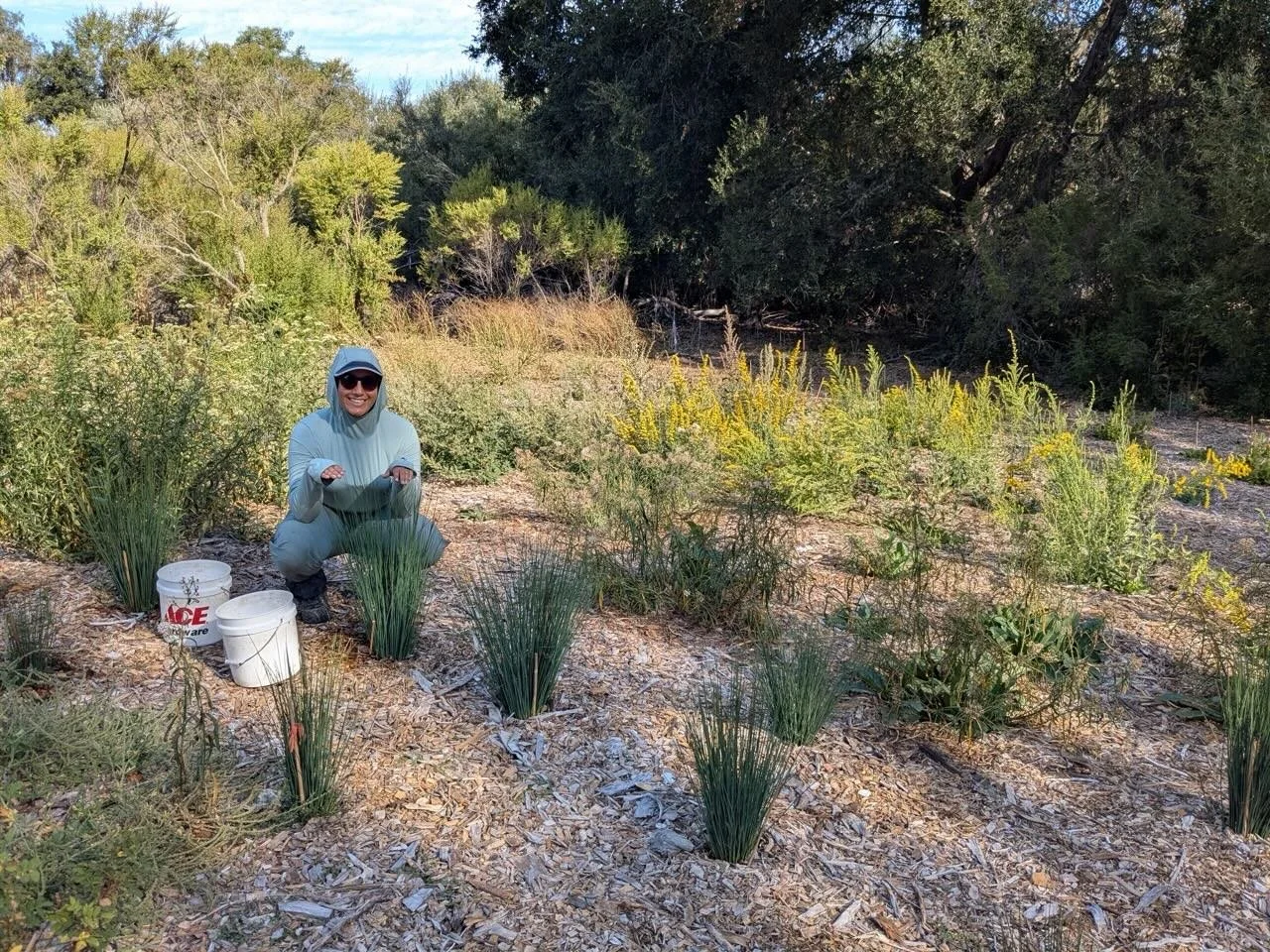
Our 10th anniversary series continues with a look back at one of the places that started it all: Pearson-Arastradero Preserve in Palo Alto, Grassroots Ecology's very first stewardship site. In this Q&A, Ecologist Serena Myjer and Project Manager Hannah Cunningham share the exciting changes they've been part of over the years, along with the challenges and rewards of restoring and caring for this special place.
Invasive Plant of the Month: Milk Thistle
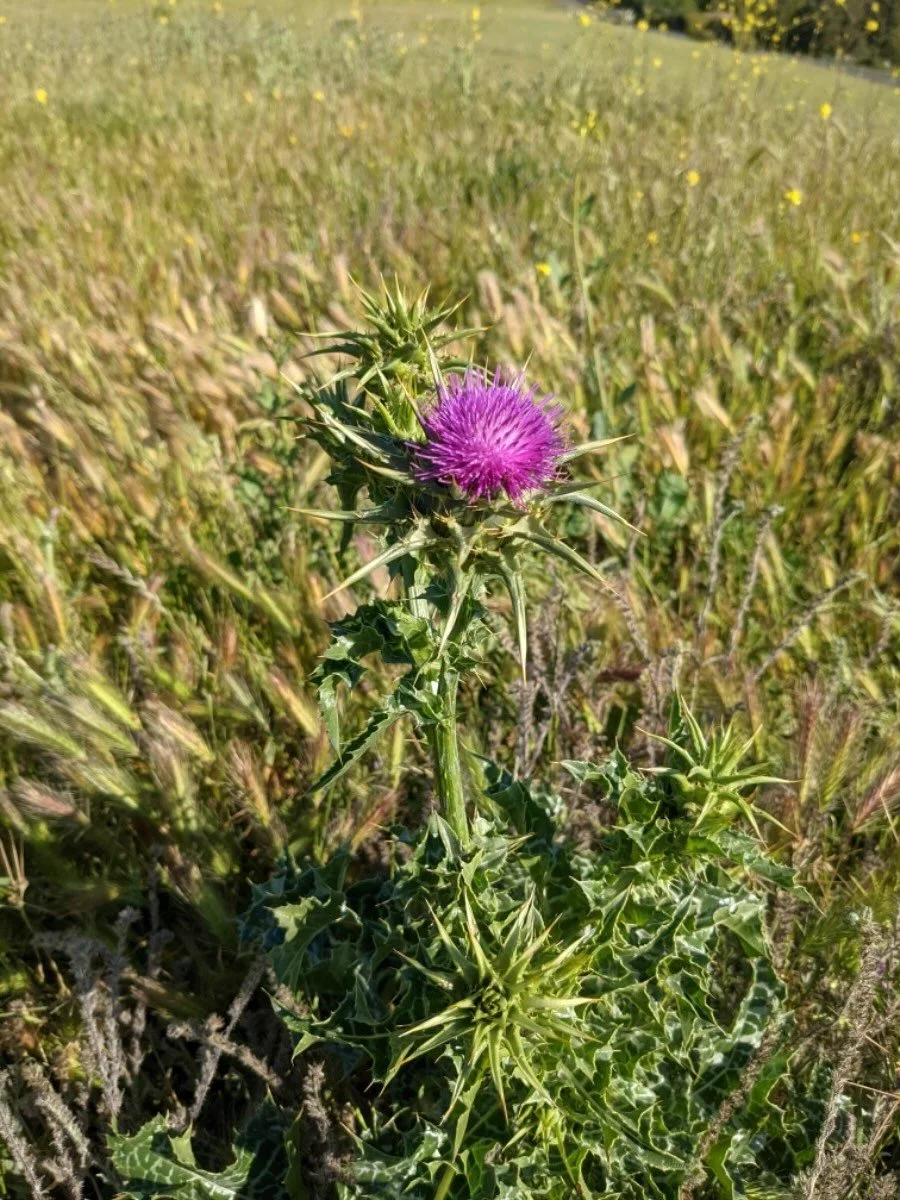
What’s green and white and spread all over? In much of California, at least, the answer is milk thistle. Despite this plant’s attractive foliage and traditional medicinal uses, it has a habit of spreading in disturbed native habitats. Read on to learn more about milk thistle and how you can help!
Grassroots Ecology Restoration Sites Now and Then: Redwood Grove
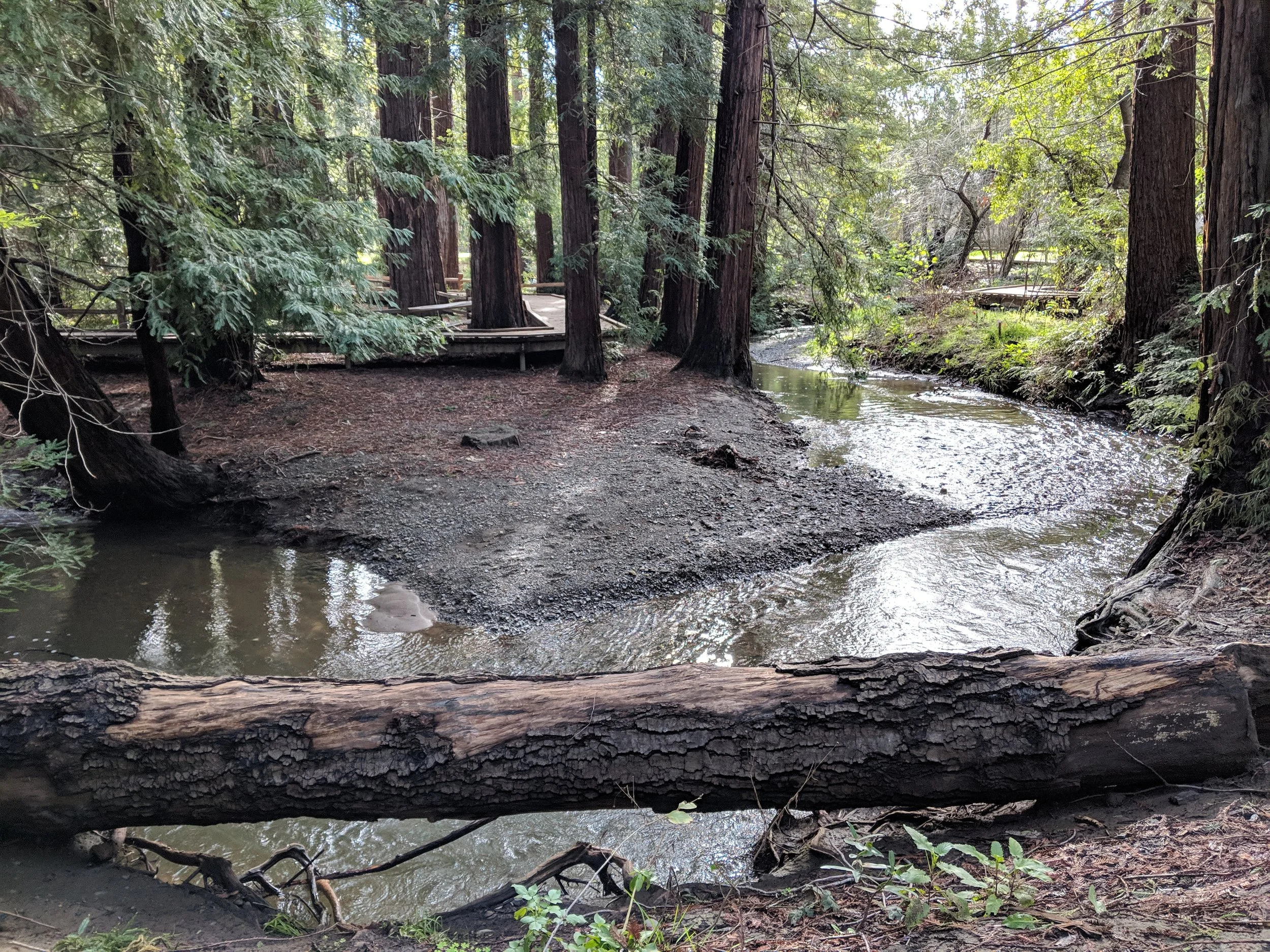
In honor of our 10th anniversary, we're highlighting some of the restoration sites that have been part of our story from the very beginning. In this Q&A style blog post, Project Lead Brian Tatsuta reflects on the transformation of Redwood Grove Nature Preserve in Los Altos, one of our longest-standing stewardship sites. Like so many staff, volunteers, and partners who have taken part in caring for Redwood Grove over the years, Brian has developed a deep connection to this special place.
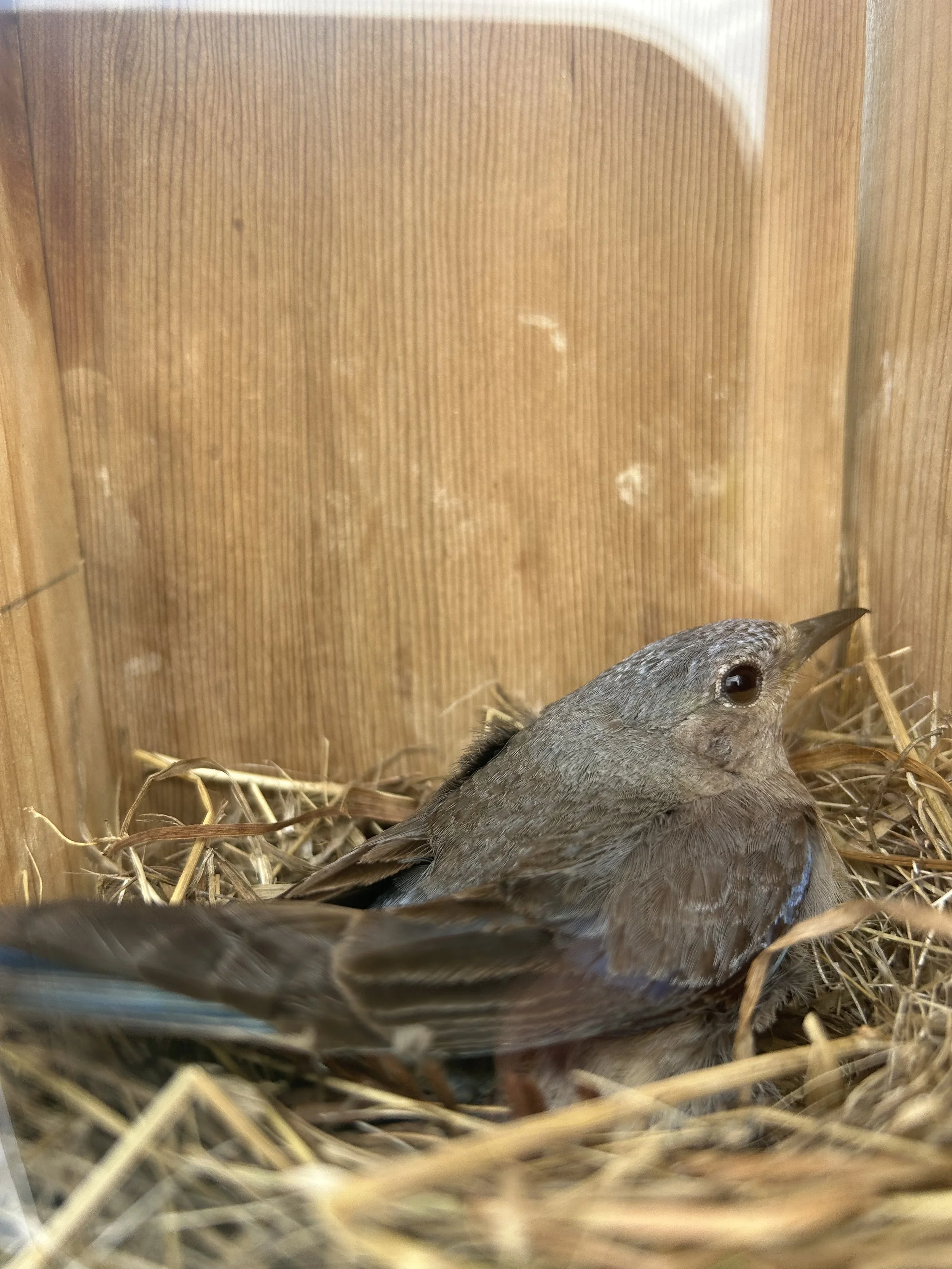
Inside our Bird Boxes at Byrne
Since 2016, Grassroots Ecology has kept a watchful eye—many pairs of eyes, actually—on the birds of Byrne Preserve. Ten years later, the project is still going strong thanks to the dedication of those who maintain and monitor the boxes season after season. In this interview, we catch up with the current team carrying the torch (and the clipboard) for a peek inside the box at what our feathered residents are up to.
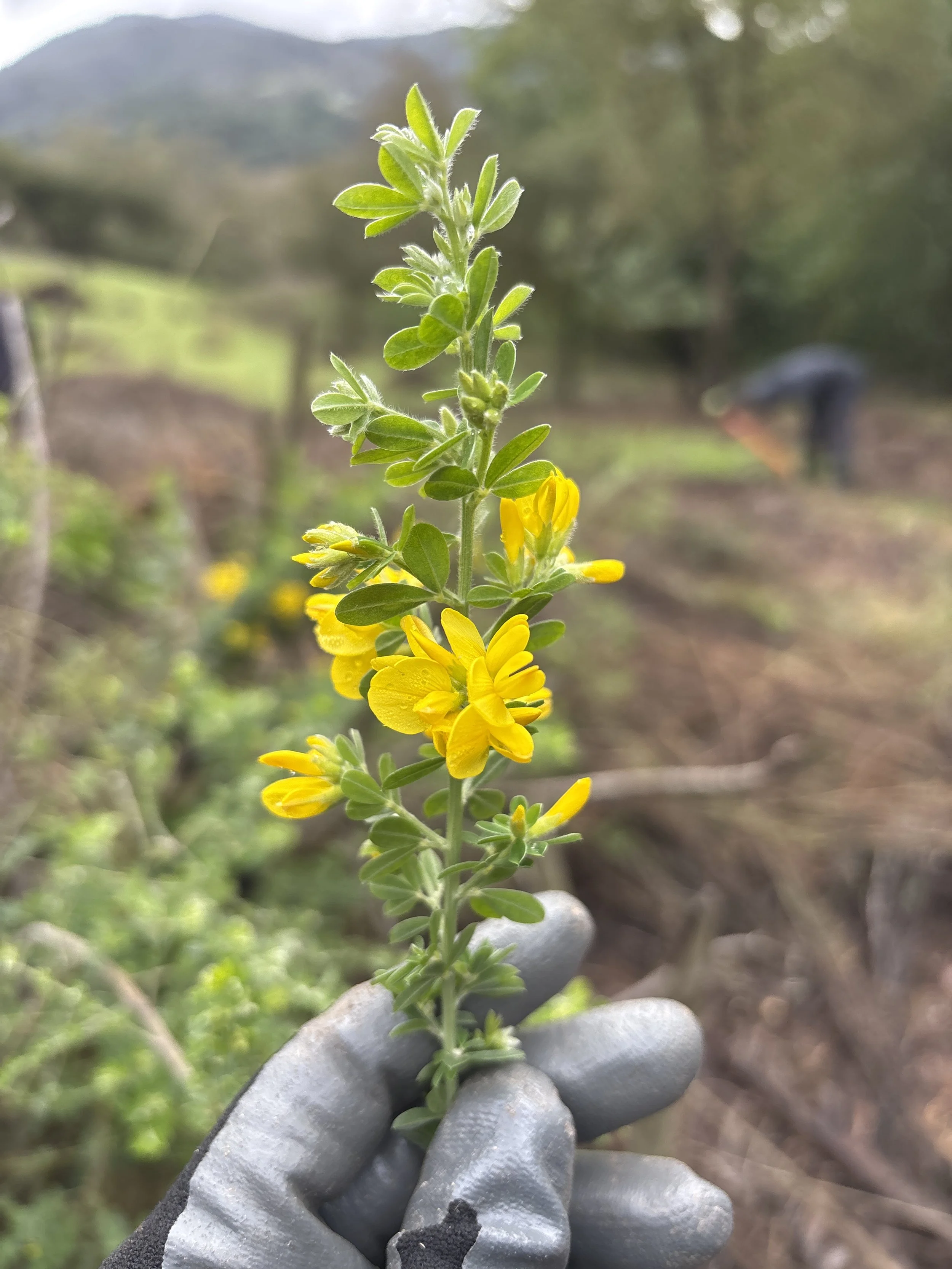
Invasive Plant of the Month: French Broom
As the weather heats up in spring, sprays of bright yellow flowers pop up amidst the green shrubbery along roadsides, disturbed areas, and preserves throughout much of California. These striking yellow flowers are not California native wildflowers, but rather an invasive species known as French broom.
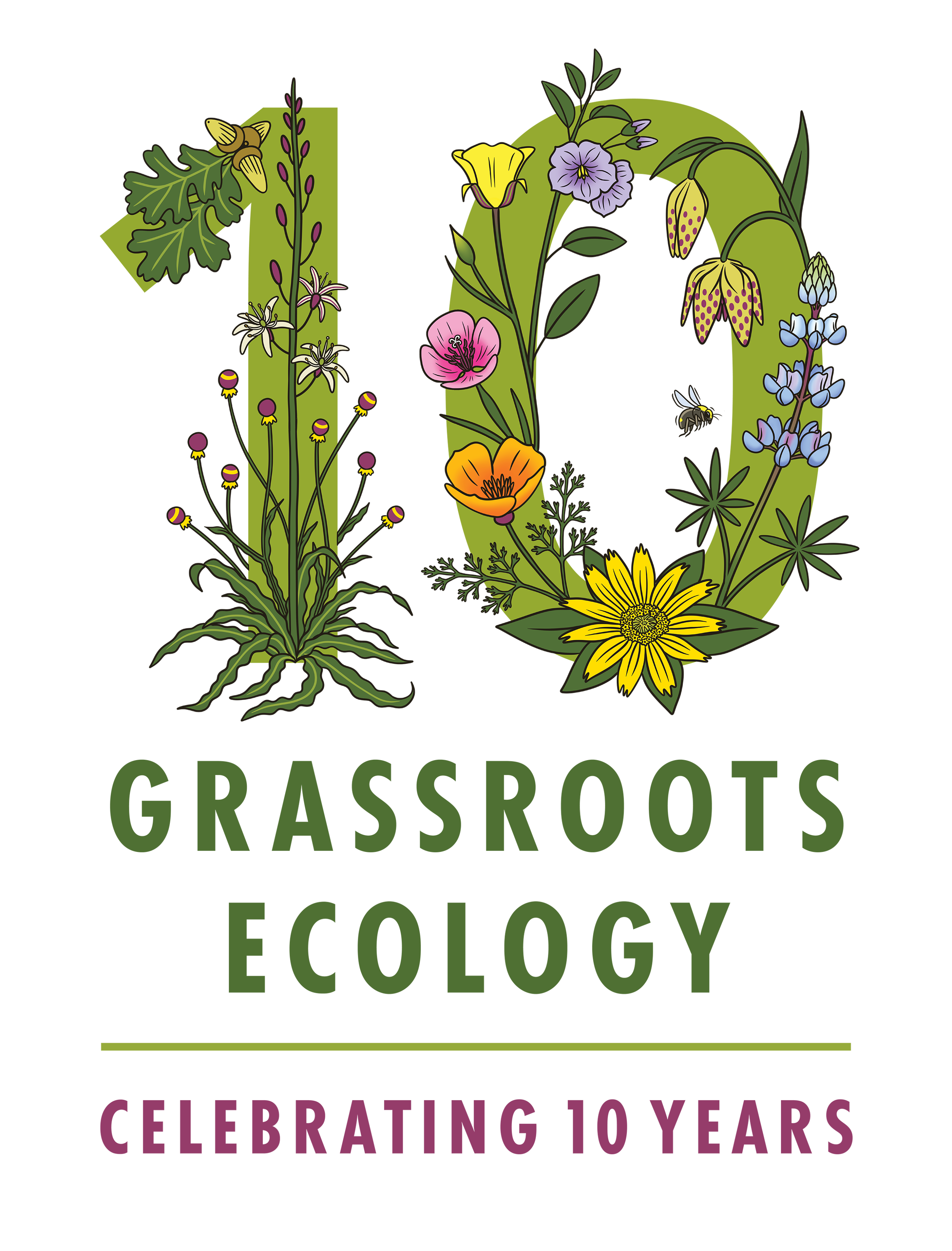
New Life in our Logo
To celebrate Grassroots Ecology's 10th anniversary, we created a special edition logo for this year only—one that showcases something both beautiful and central to our work: California native plants.
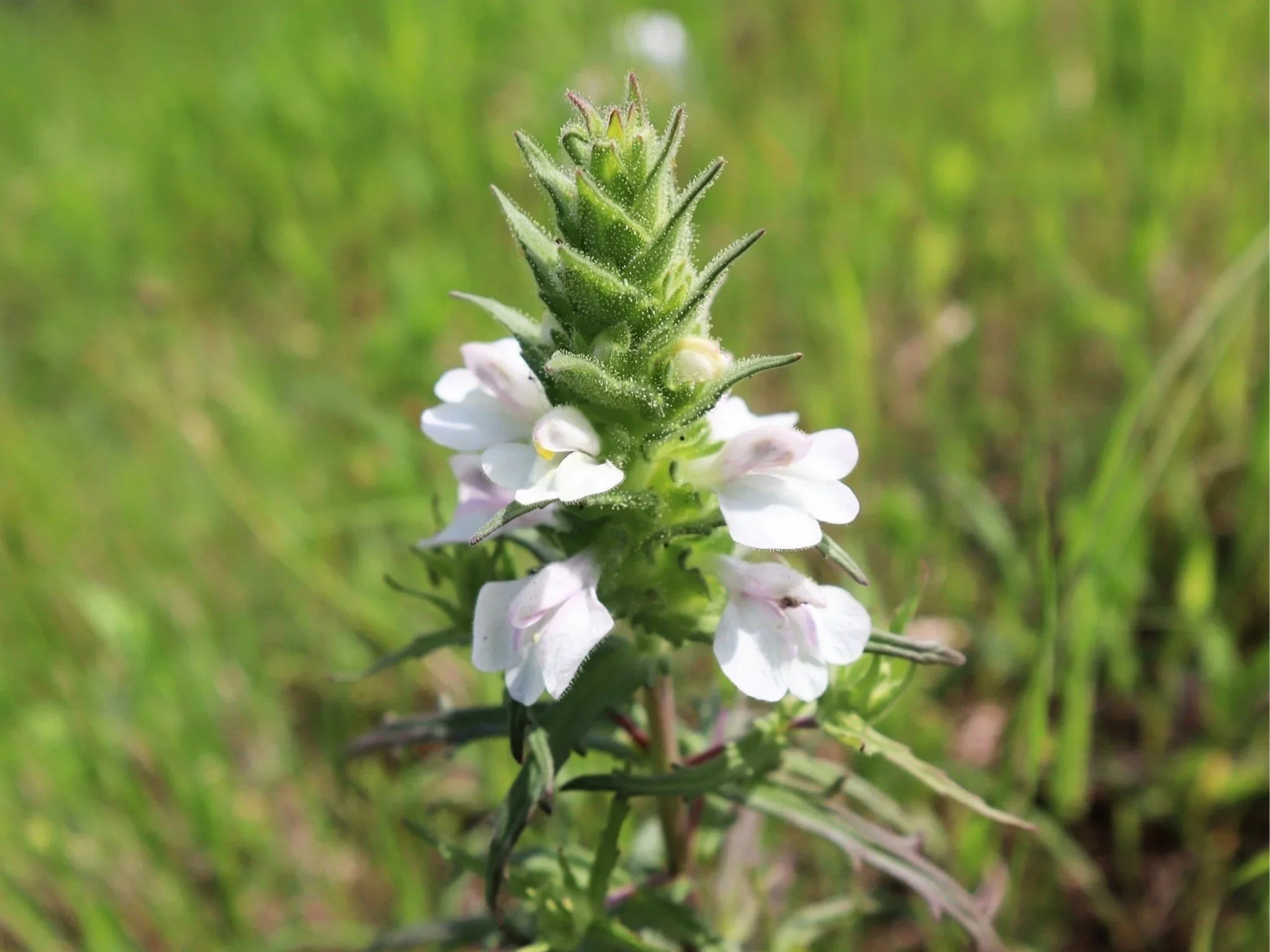
Invasive Plant of the Month: Mediterranean Lineseed
Spring landscapes are covered in beautiful blooms, but not every wildflower belongs here. Mediterranean lineseed (Bellardia trixago) is one invasive species that has been spreading across California’s grassland ecosystems.
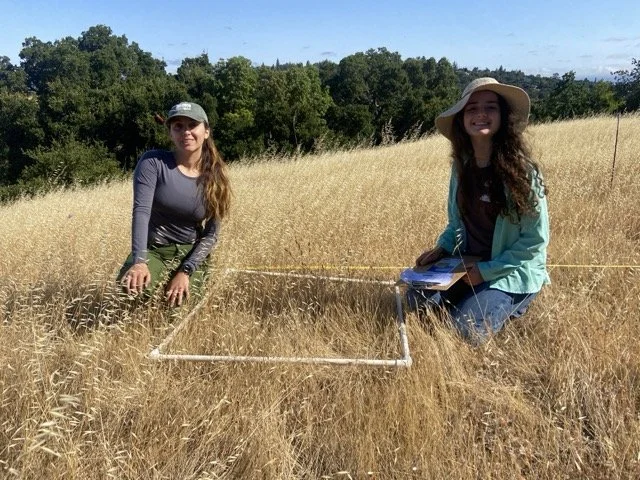
Where Are They Now? Catching Up with 3 Grassroots Ecology Alumni
If you’ve been to a Grassroots Ecology event, it's likely you’ve interacted with a current or former AmeriCorps member, intern, or Youth Steward. We caught up with three program alumni to learn how the spark that started at Grassroots Ecology moved them in further along in their environmental careers.
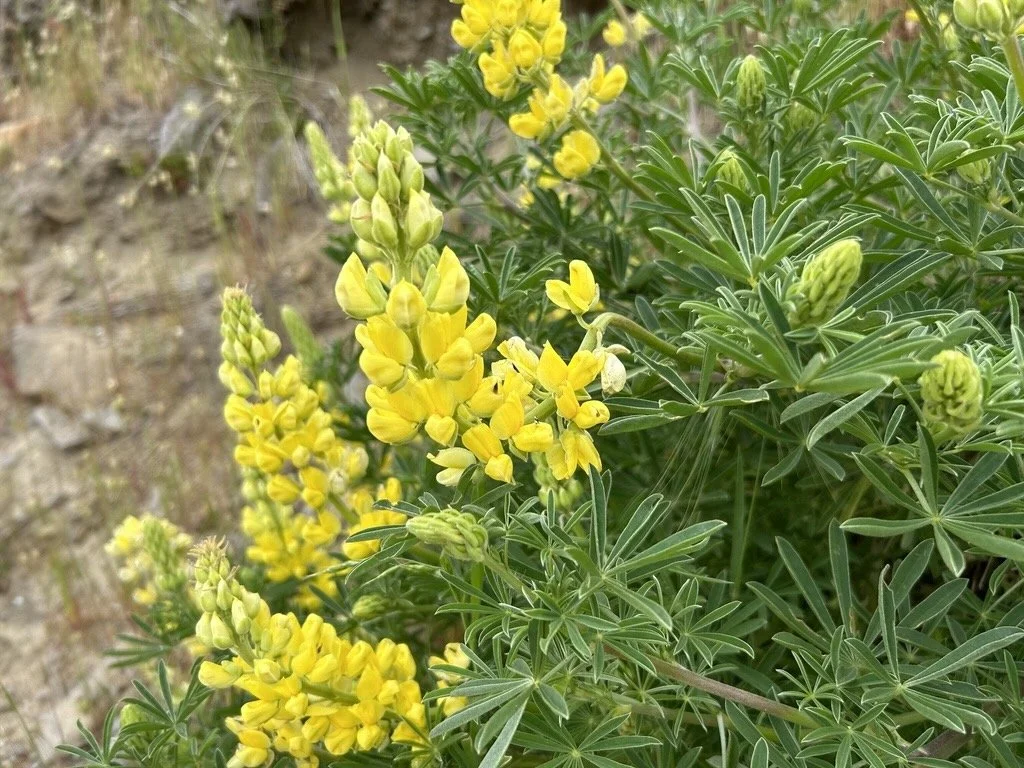
Native Plant of the Month: Coastal Bush Lupine
Coastal bush lupine (Lupinus arboreus) is a beautiful late-spring-blooming perennial found along the coast of California. Its flowers—usually yellow, occasionally purple—attract pollinators and add a touch of color to many landscapes.
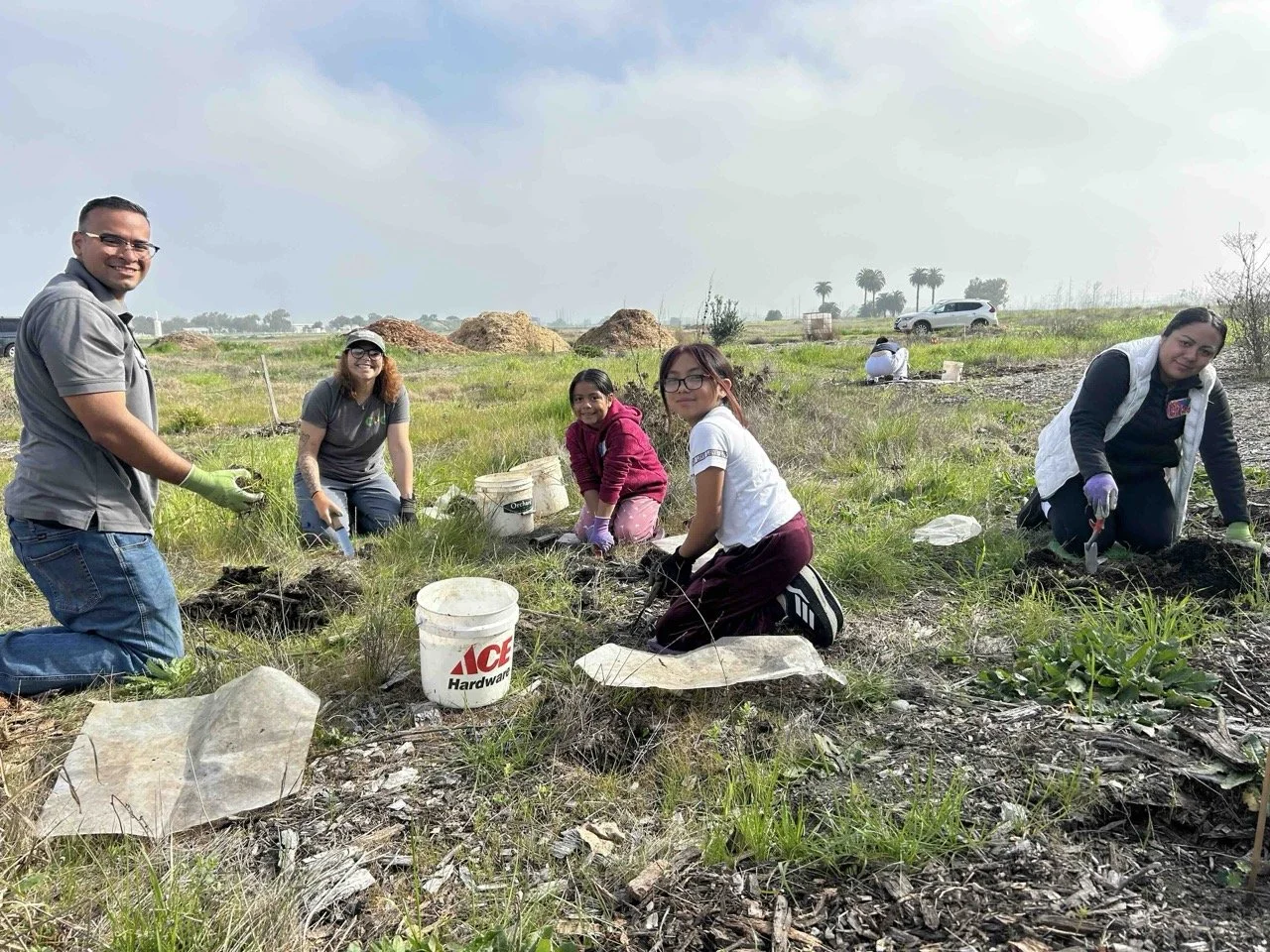
Community Spotlight: Burrowing Owls at the Alviso Bufferlands
Working in collaboration with regional agencies and community volunteers, we’ve been restoring habitat for Western Burrowing Owls at the Alviso Bufferlands for the past 5 years. Read about some highlights from the 2025-26 planting season!
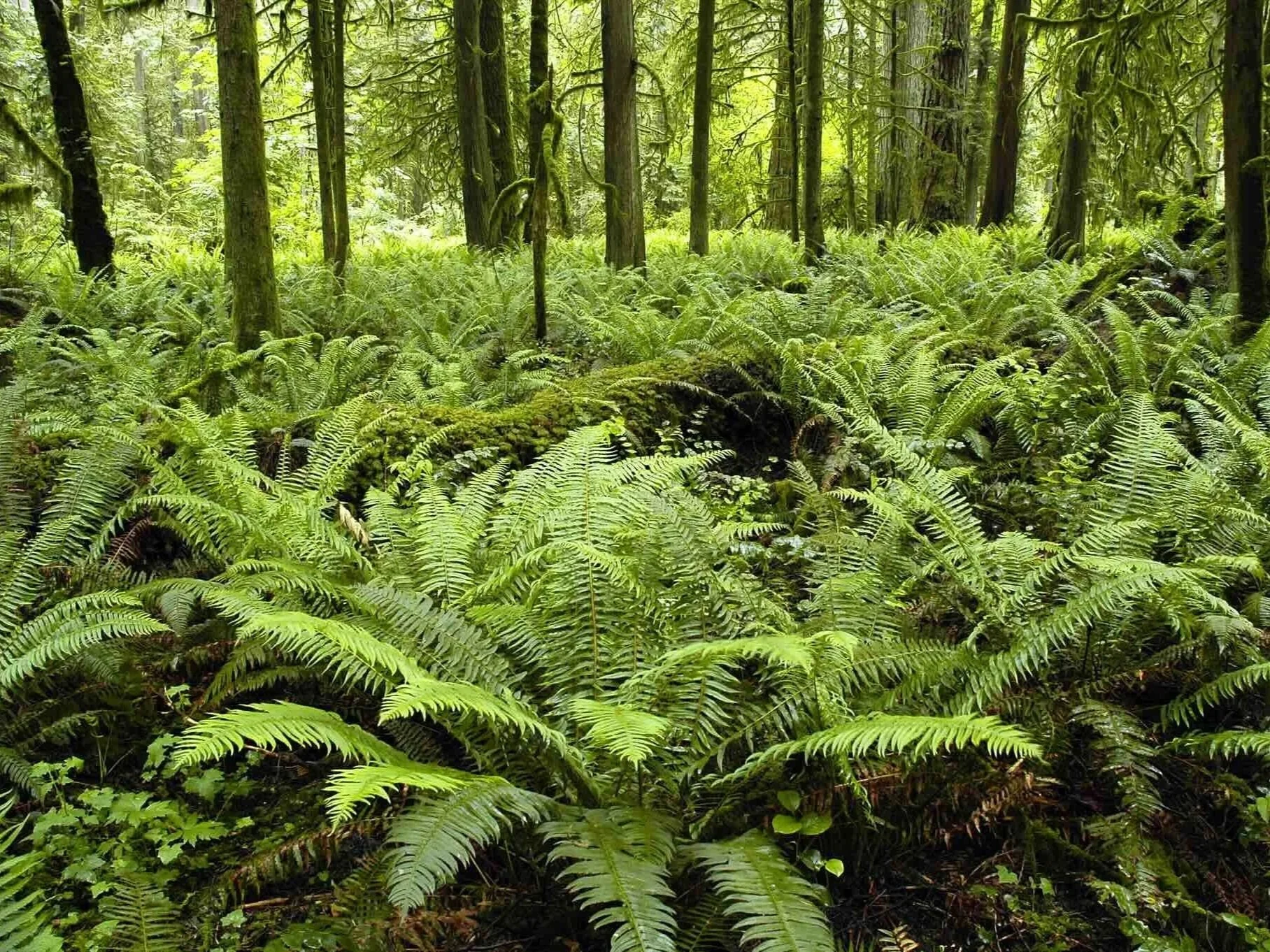
Native Plant of the Month: Western Sword Fern
Rising out of the forest floor in a fountain of emerald green, western sword fern (Polystichum munitum) is a gorgeous example of one of the oldest plant lineages on earth. Western sword fern supports several species of native wildlife, making it a great addition to shady spots in a garden or yard.

Native Plant of the Month: Hearst’s Ceanothus
Hearst’s ceanothus is a species of California lilac endemic to the central coast of San Luis Obispo County. This ground-covering perennial shrub has evergreen foliage and striking blue flowers in the springtime, earning its place as a popular plant for landscaping across California.
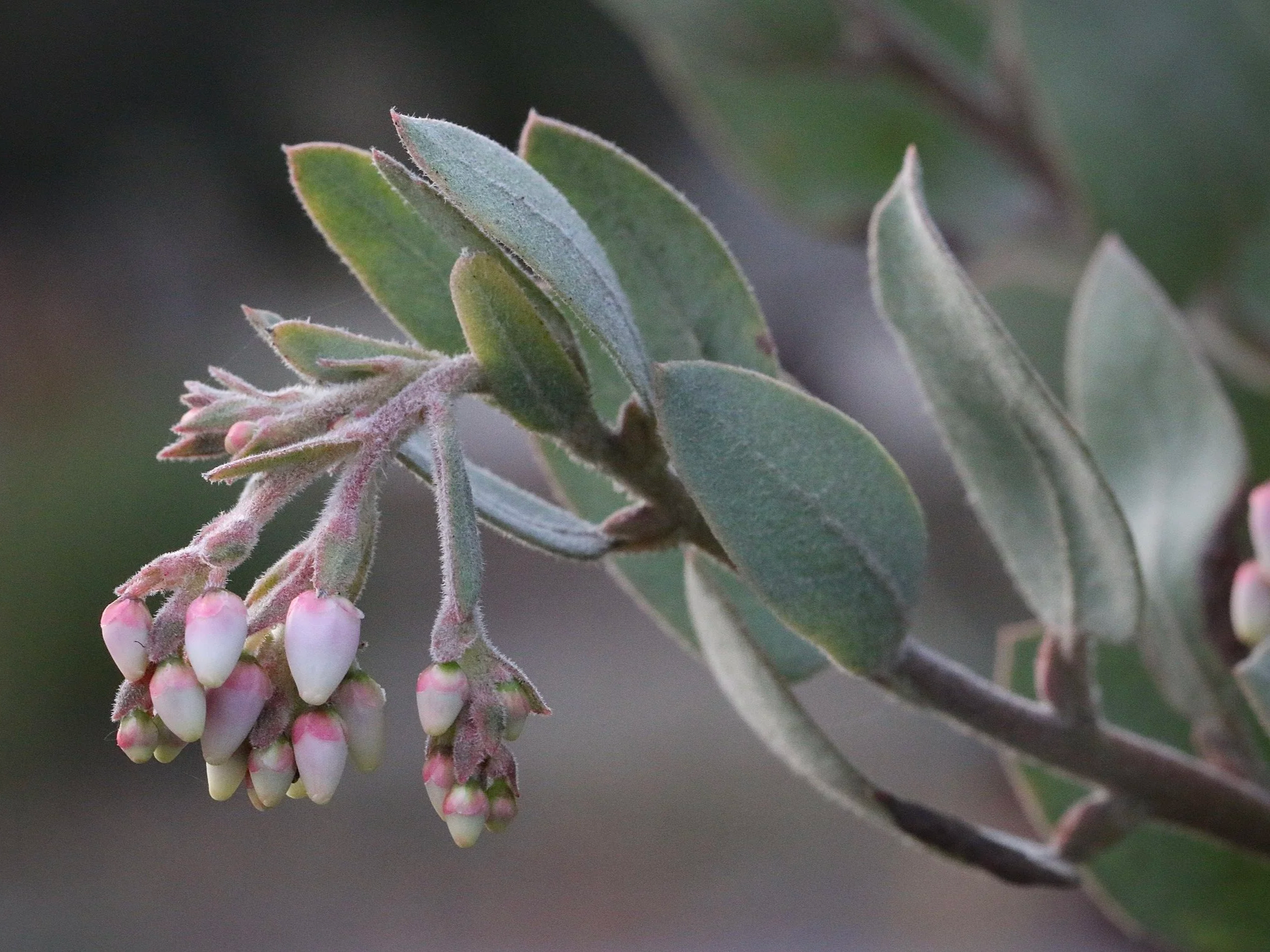
Native Plant of the Month: Silverleaf Manzanita
Silverleaf manzanita, also known as Bonny Doon manzanita (Arctostaphylos silvicola), only occurs naturally in the sandhills of the southern Santa Cruz Mountains in Santa Cruz and Santa Clara counties. Its flowers and fruits provide resources to pollinators and add beauty to drought-tolerant gardens.
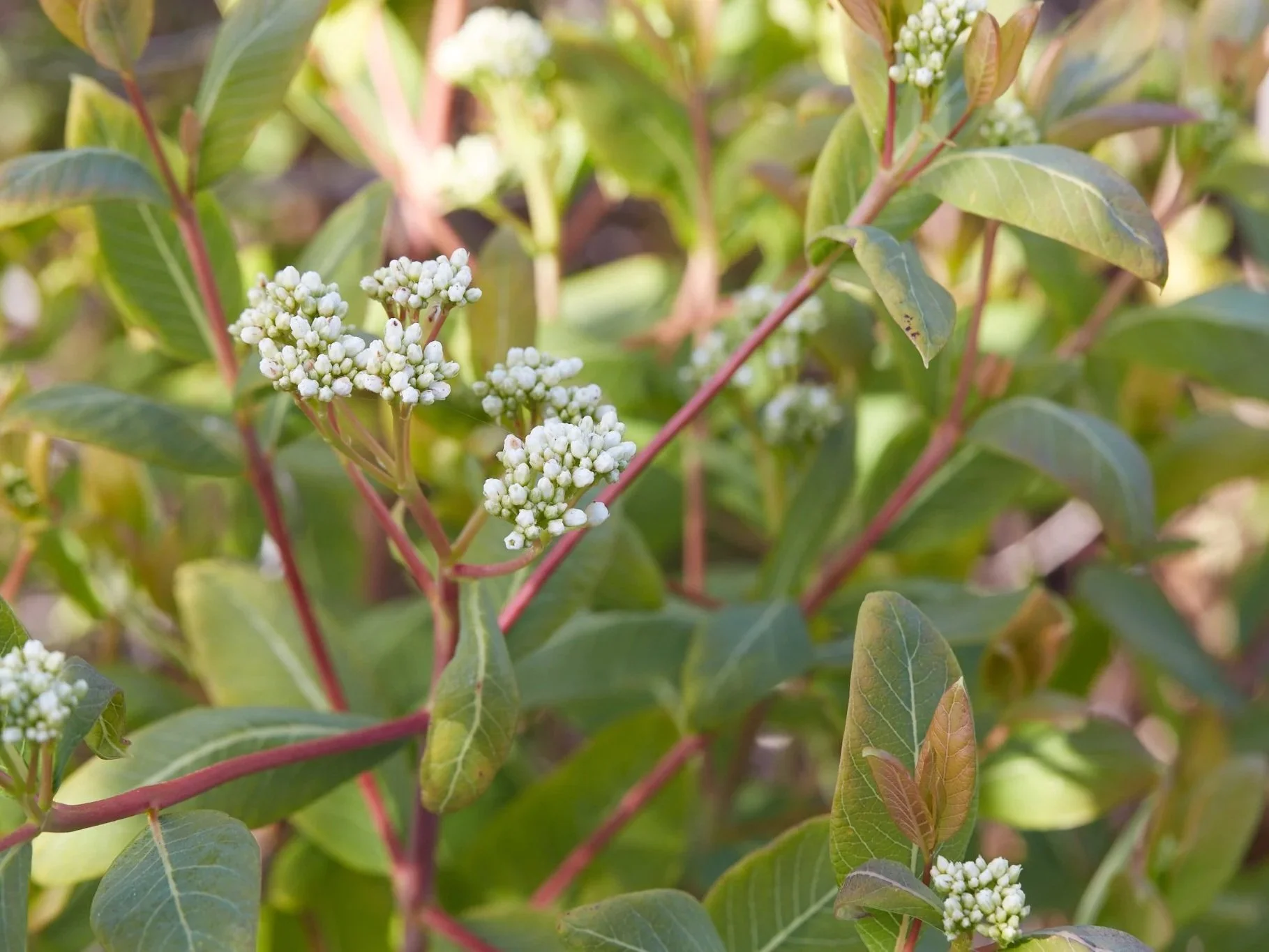
Native Plant of the Month: Hemp Dogbane
With its tenacious rhizomes and high toxicity, hemp dogbane (Apocynum cannabinum) may seem more like a weed than a welcome guest. However, people have looked to dogbanes since time immemorial to create resilient ecosystems, communities, and textiles.
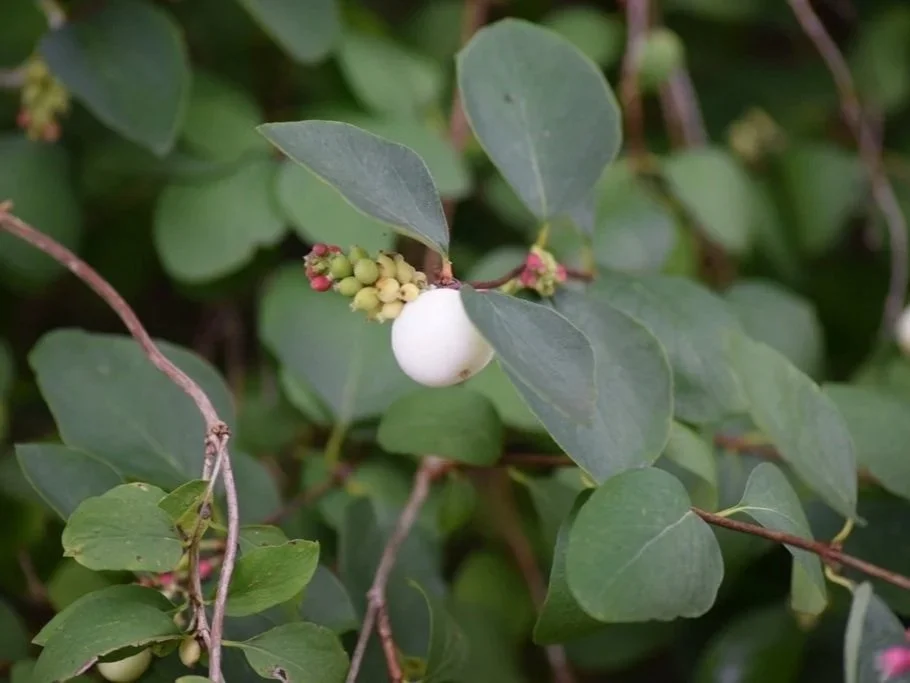
Native Plant of the Month: Snowberry
Snowberry (Symphoricarpos albus var. laevigatus) is a hardy native shrub that brightens the landscape with clusters of white berries through the fall and winter months. Its pinkish flowers attract pollinators, while the berries feed birds and wildlife. Thriving in sun or shade, snowberry is a beautiful, low-maintenance choice for habitat restoration and native gardens alike.
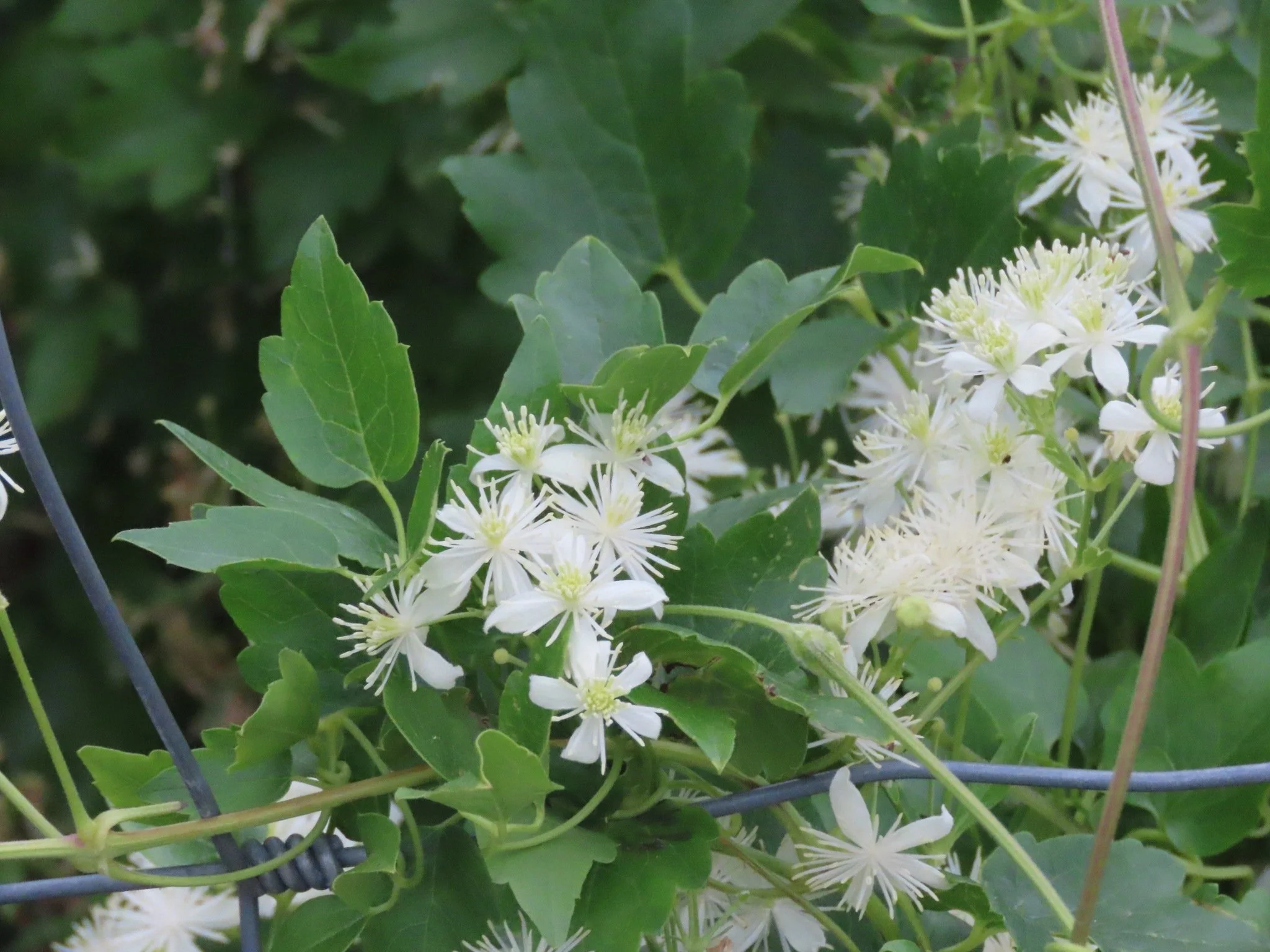
Native Plant of the Month: Western White Clematis
Western white clematis (Clematis ligusticifolia) is a showy vining plant in the buttercup family, with creamy white flowers that bloom through the summer and leave beautiful fuzzy white seedheads in the fall. This creekside plant is adaptable, easy to care for, and provides food and shelter for wildlife.
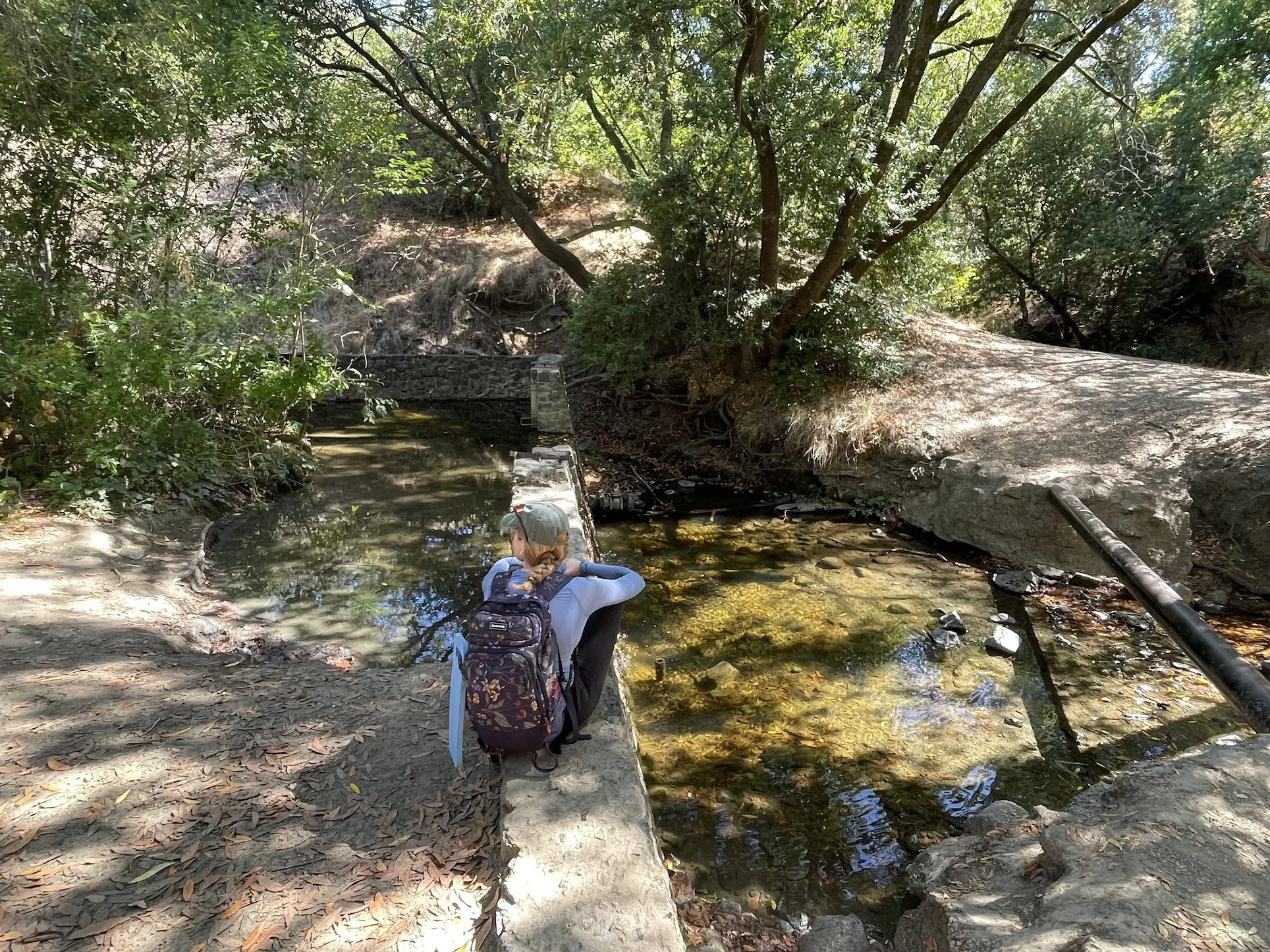
An Invitation to Think Like a Naturalist
What does it mean to be a naturalist? It’s about noticing the small details, like observing the parallel veins of the blades of grass and the tiny bite marks left from the small insect stopping for lunch. Being a naturalist is about caring enough to pause and wonder, even if you don’t know the scientific names or the complex processes at play.

Our Evolving Leadership
As you may have heard, our Co-Executive Director, Junko Bryant, will be moving to Hawaii this winter to be closer to her family. While it’s hard to say goodbye, we are happy to announce that Tyler Feld will be stepping into the role of Co-Executive Director alongside Alex Von Feldt. Tyler is excited to build on the foundation laid by Junko and Alex in their 15 years leading our organization.
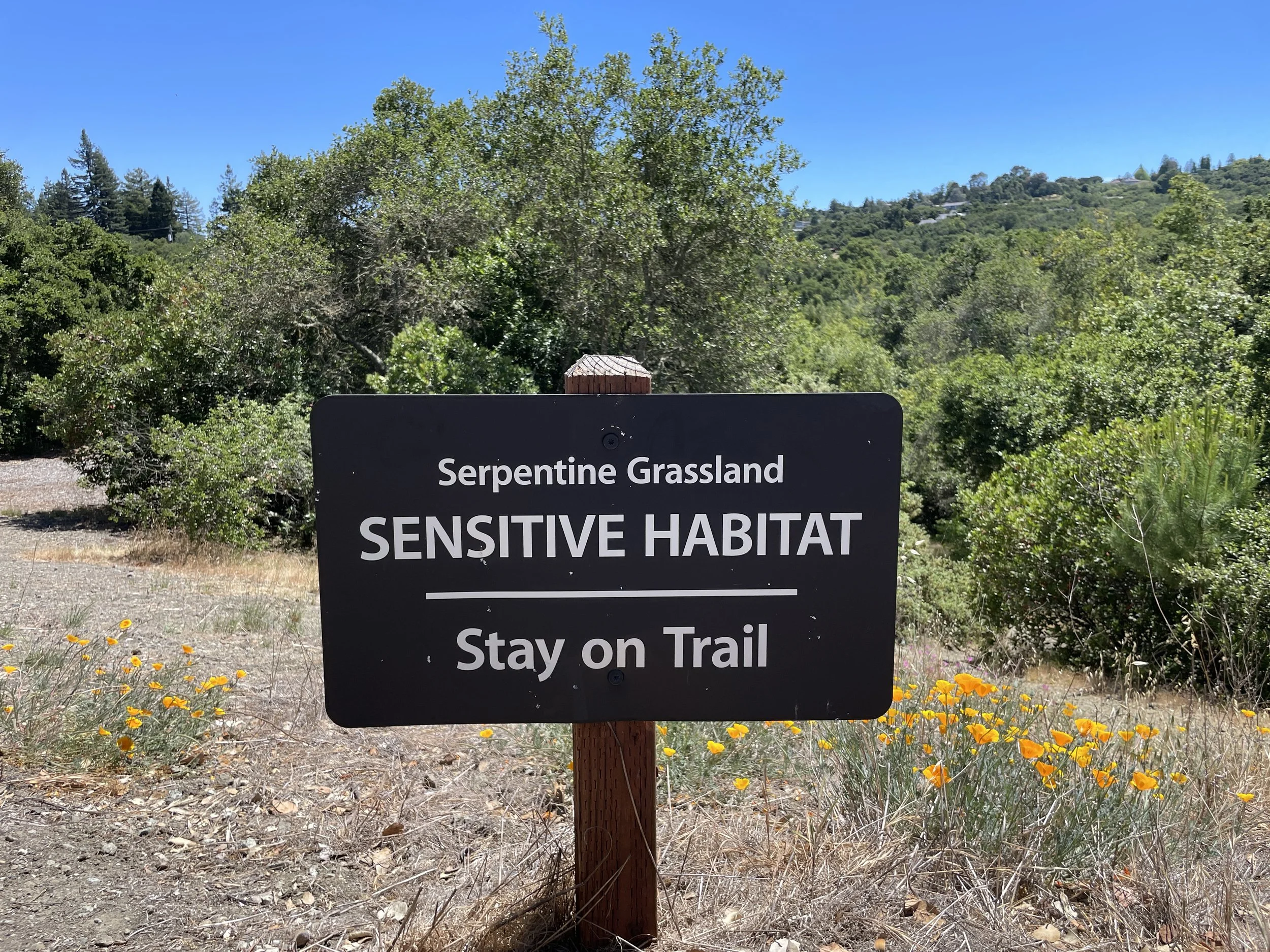
Social Trail Savvy: A Guide for Protecting Sensitive Ecosystems
Unofficial or “social” trails form when trail users veer off of official trails while exploring. Unfortunately, social trails can leave lasting impacts on ecosystems. Learn about how these trails affect sensitive habitats at Stulsaft Park.