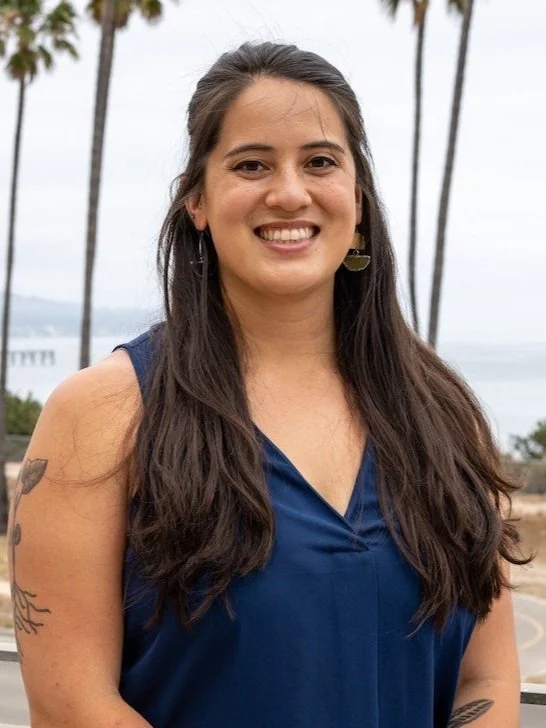
For the final installment in our 10th anniversary blog series, we look back at another long-standing and ever-evolving restoration site: Stulsaft Park in Redwood City. In this Q&A, Project Manager Laurel Wee shares her perspective on the park’s changes and challenges, and shares her hopes for its future.
How have you seen the park change since you’ve been working there?
I’ve worked at Stulsaft Park since I started with Grassroots Ecology in January of 2023, and have seen a lot of transformation over my past four years here! One of the most noticeable changes I’ve seen is in the area of wildfire resilience. Thanks to our invasive weed removal efforts and collaboration with Redwood City to remove debris, there’s been a significant decrease in fire fuel load in the understory. This means lower fire risk for the communities that border the park.
The other big changes have taken place in our two current native plant restoration areas—one near the playground entrance across from the sports field (dubbed our “hilltop” site), and the other our “seep test plot” at the bottom of the park near the creek. A dozen or so plants had been installed in each area before my time, which had become well-established. Building on that foundation, we’ve planted hundreds of additional plants—over 500 at the hilltop and over 250 at the seep plot—so that these areas are now thriving with native vegetation.
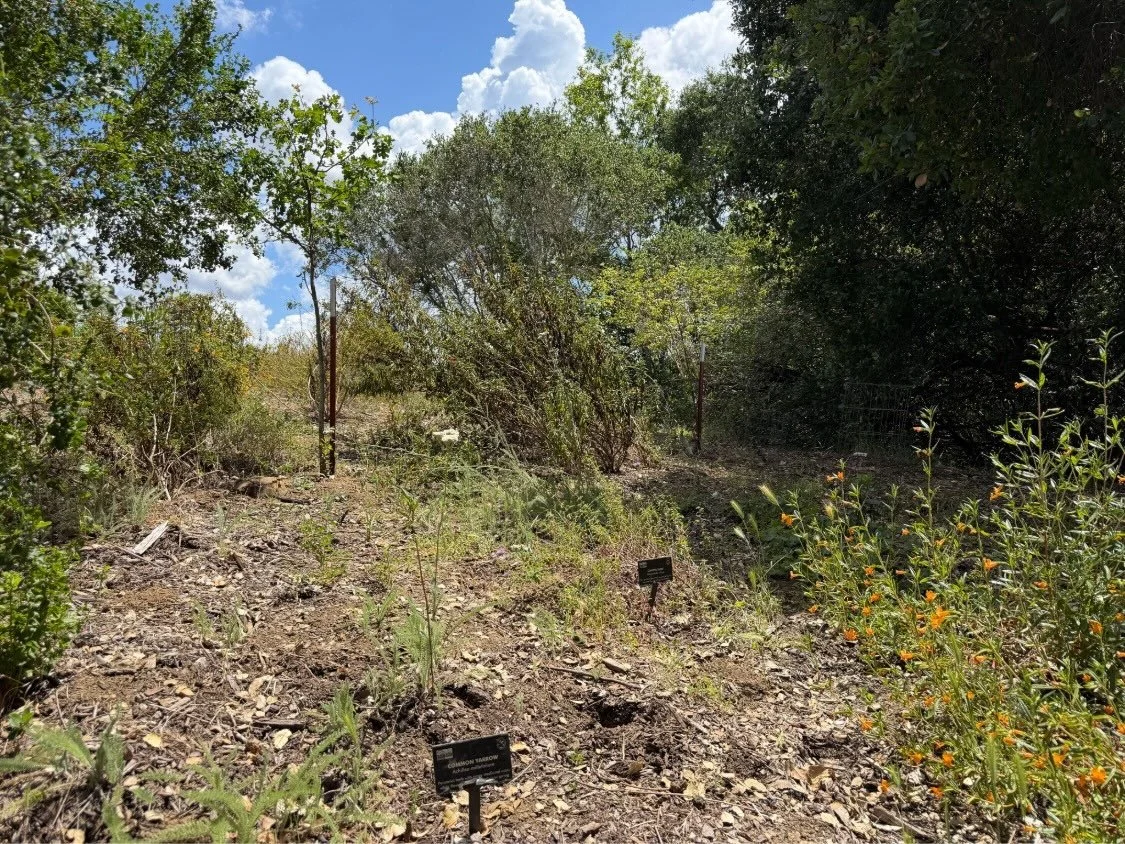
With 500+ new native plants installed, our hilltop restoration area is one of the most transformed parts of Stulsaft Park over the last four years.
What are your personal favorite things about it?
I enjoy the variety of ways I see people using the park, from children playing on the playground to people hiking, picnicking, walking their dogs, and of course, volunteering! I also appreciate the park’s unique ecology, especially its seeps in the serpentine habitat areas.
An endangered native plant, the Crystal Spring fountain thistle (Cirsium fontinale var. fontinale), grows in one of these seeps, and they also fill with seep monkeyflower (Erythranthe guttata)—one of my favorite California flowers. We planted downhill from one of these seeps to capture the water that percolates through the serpentine soil year-round, which has saved water and watering time!
Is there a moment, achievement, or memory that you’re particularly proud of there?
I feel grateful to see the changes we’ve helped bring about over time—including more biodiversity in our planting areas, more native vegetation cover, and less fire fuel load thanks to our collaborative fire management work with city staff and community members. It’s also an honor to hear the reflections that people share with us about how the changes they see over time in areas they helped plant or weed—a testament to their own impact on the landscape.
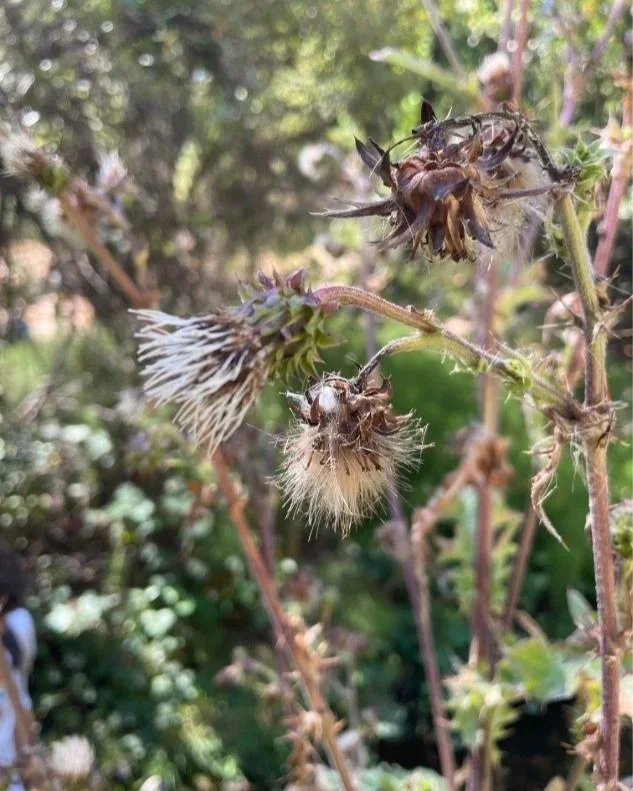
Endangered fountain thistle still grows in a seep at Stulsaft Park along with other rare and native species. This one is beginning to seed. We’re rooting for you!
What were some challenges in your work here?
As a nonprofit, finding consistent funding for our restoration and community engagement work is always a challenge. We do so much at Stulsaft, but we could always do more with more funding. Another challenge that may sound silly or gross but is absolutely real is poop! Stulsaft Park is a big destination not just for people but for their dogs, and it sure is unpleasant to come across pet waste when you’re planting, weeding, hiking, or monitoring habitat areas. The organisms that live in our creeks don’t like it either.
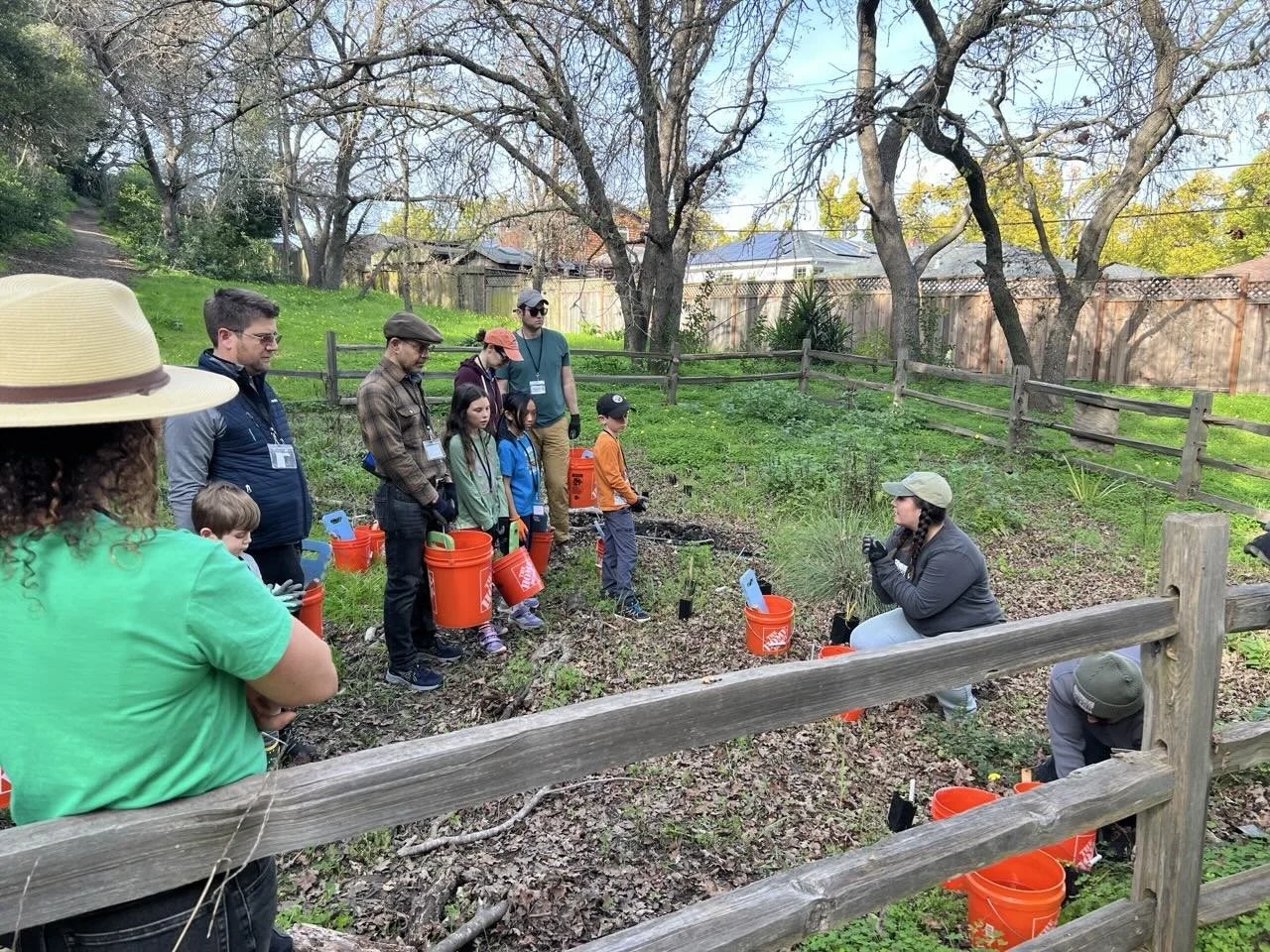
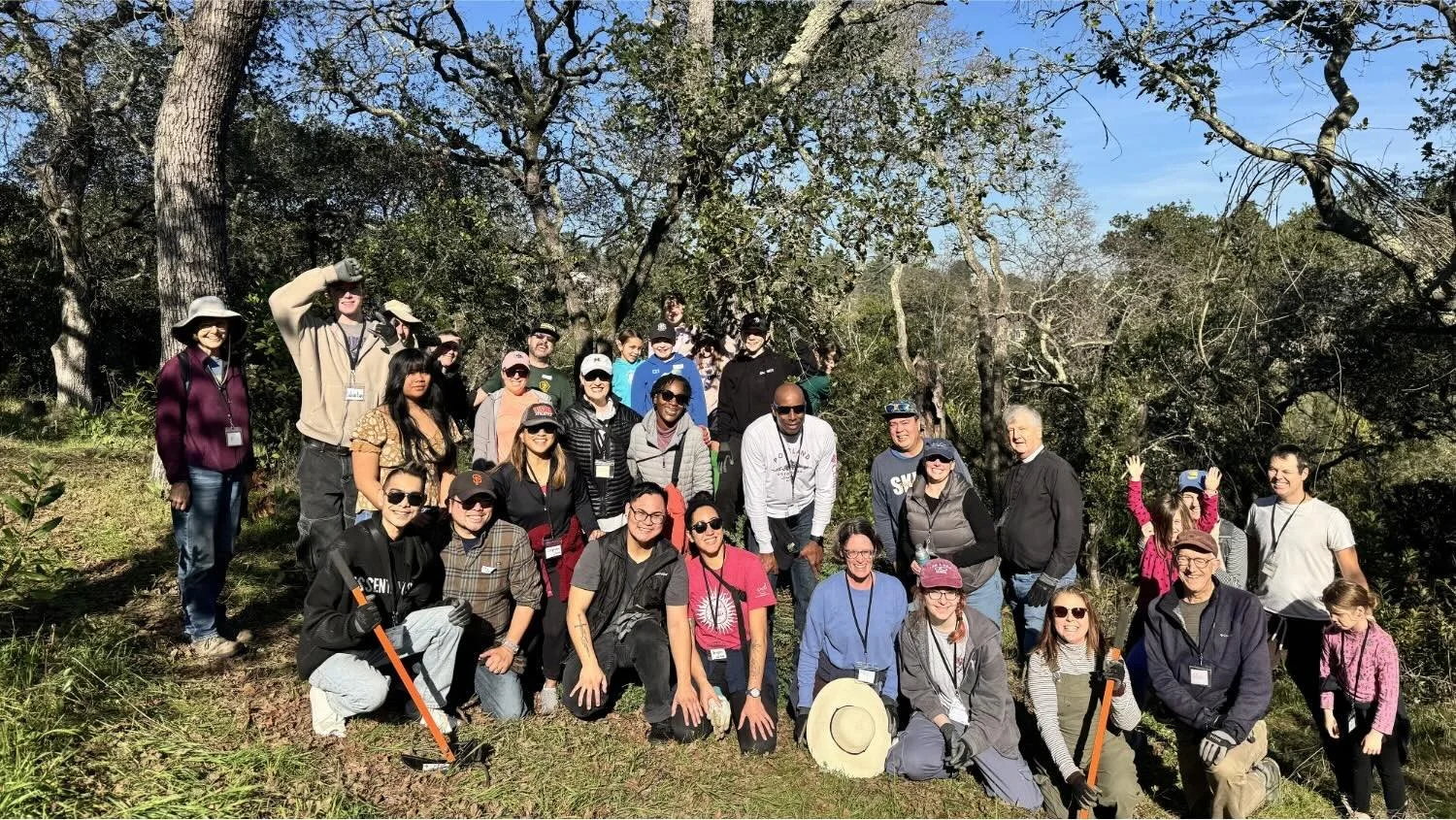
Volunteers who helped with planting earlier this year are part of a long legacy of community members caring for this habitat.
How do you want to see Stulsaft look 10 years from now?
I hope to see a continuation of sustainable fire management practices to make it a fire-safe and ecologically resilient park. I hope that our native plantings continue to thrive—not just in our restoration areas but beyond as they out-compete non-native plants and reclaim their niche in the ecosystem. And I hope to see people continuing to visit the park and take an active role in its stewardship.
Want to join in the transformation at Stulsaft? Explore our calendar of events to find upcoming volunteer opportunities, and learn more about its restoration on our website. You can also support this work for years to come with a donation of any size, and we’ll earmark it for Stulsaft Park. We hope to see you outside at Stulsaft soon!
By Laurel Wee, Project Manager