Grassroots Ecology Restoration Sites Now and Then: Arastradero Preserve
Our 10th anniversary series continues with a look back at one of the places that started it all: Pearson-Arastradero Preserve in Palo Alto, Grassroots Ecology's very first stewardship site. In this Q&A, Ecologist Serena Myjer and Project Manager Hannah Cunningham share the exciting changes they've been part of over the years, along with the challenges and rewards of restoring and caring for this special place.
How have you seen the site change since you’ve been working there?
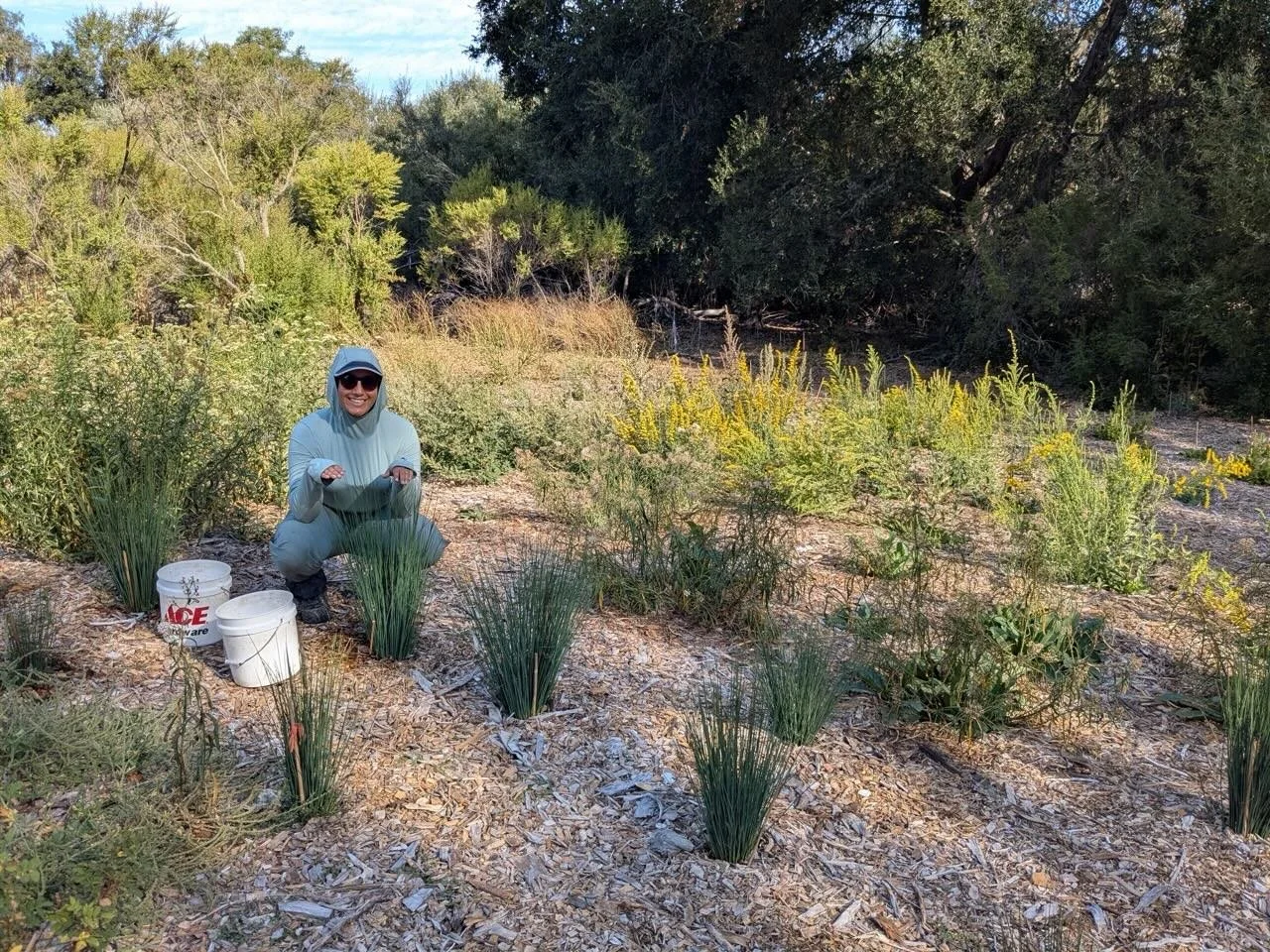
Serena: I’ve seen the biggest transformation in the former teasel patch along Arastradero Road (shown above), where it's been really cool to see a monoculture of teasel converted into a biodiverse wet meadow. The other biggest change I've seen has been in our Gateway Garden and adjacent Arroyo restoration area (pictured below). It can be hard for me to notice changes in the Gateway Garden because I’m there every field day, but looking back on old photos really demonstrates how much the garden has grown over time. Lots of butterflies now visit both restoration areas.
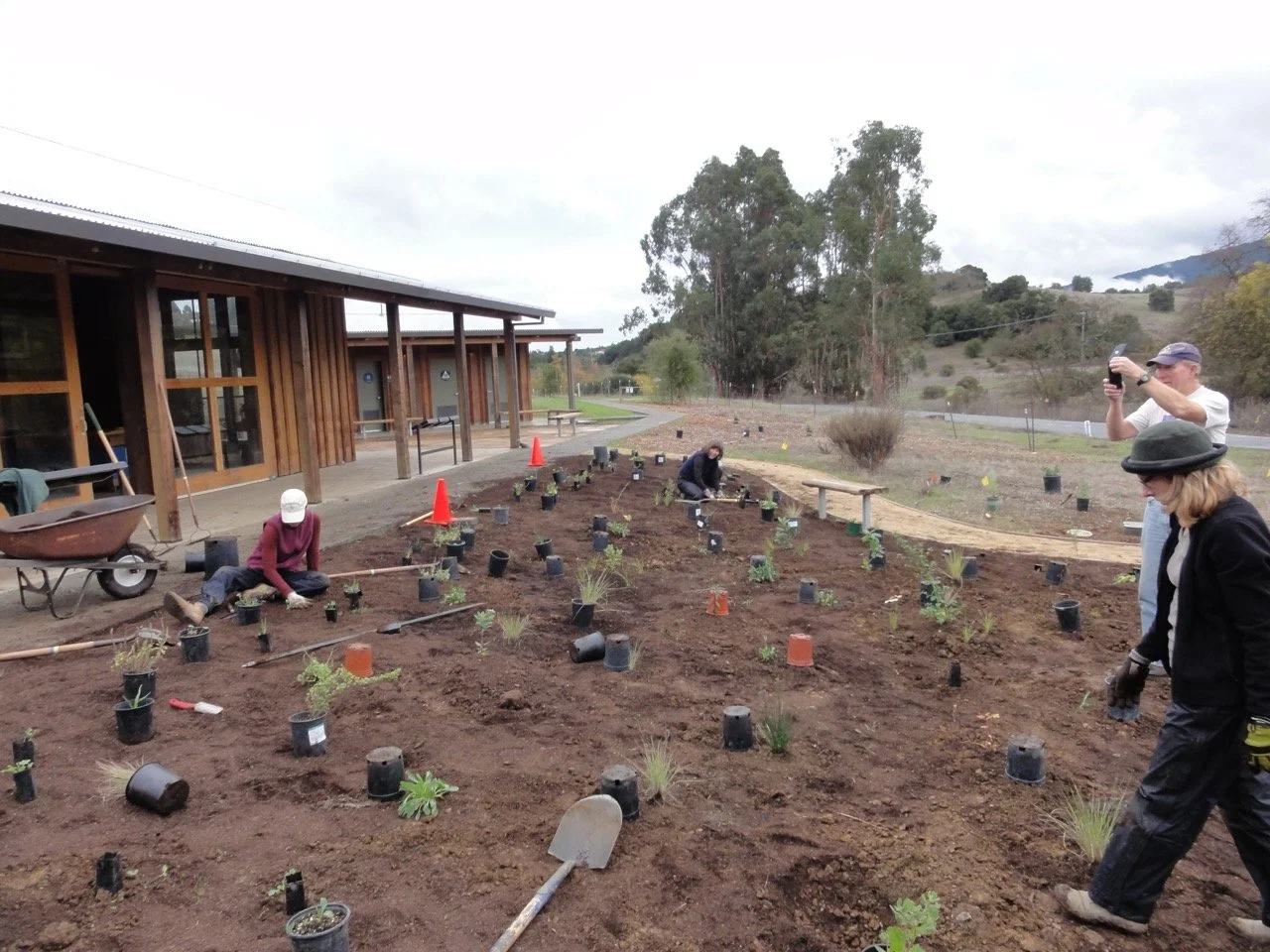
Then: Arastradero Gateway Garden in 2010
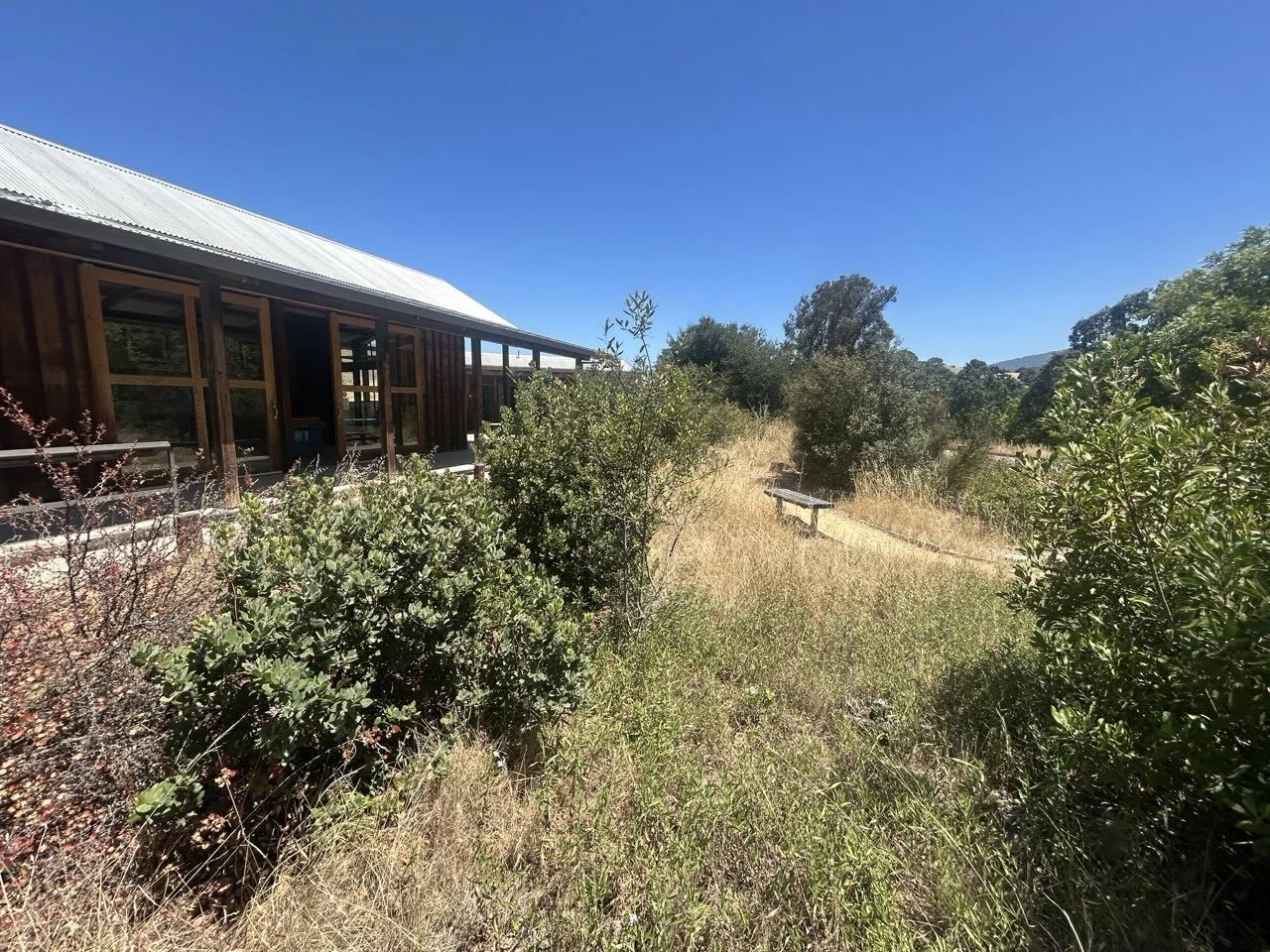
Now: Arastradero Gateway Garden in 2026
Hannah: One of the biggest changes I’ve witnessed is the expansion of the Gateway Garden, which now wraps around the Gateway facility and connects to our adjacent Arroyo restoration area (below). When I started at the site, we were still infilling the main garden area, and now there’s nowhere to put more plants.
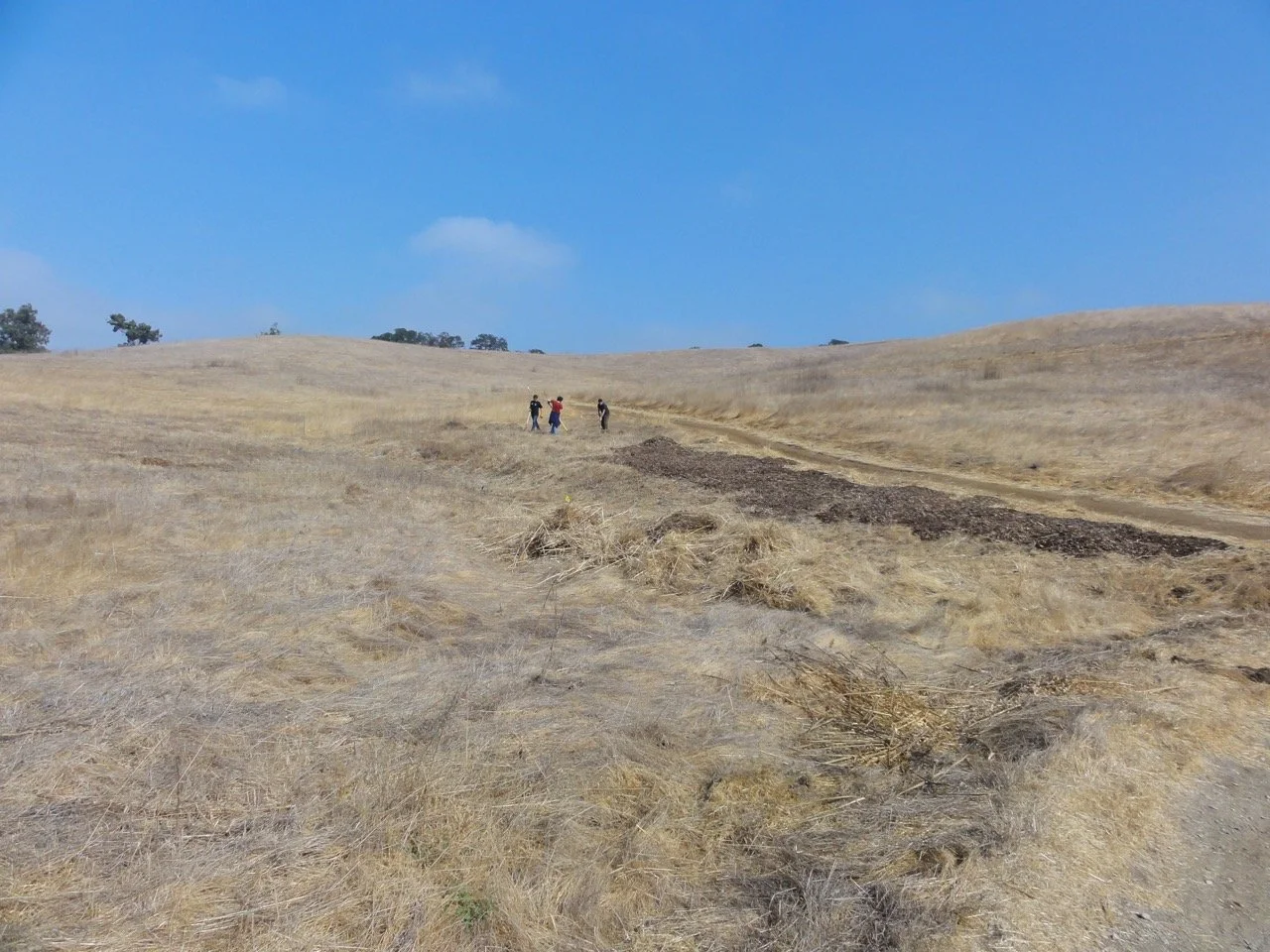
Then: Arroyo restoration area circa 2014
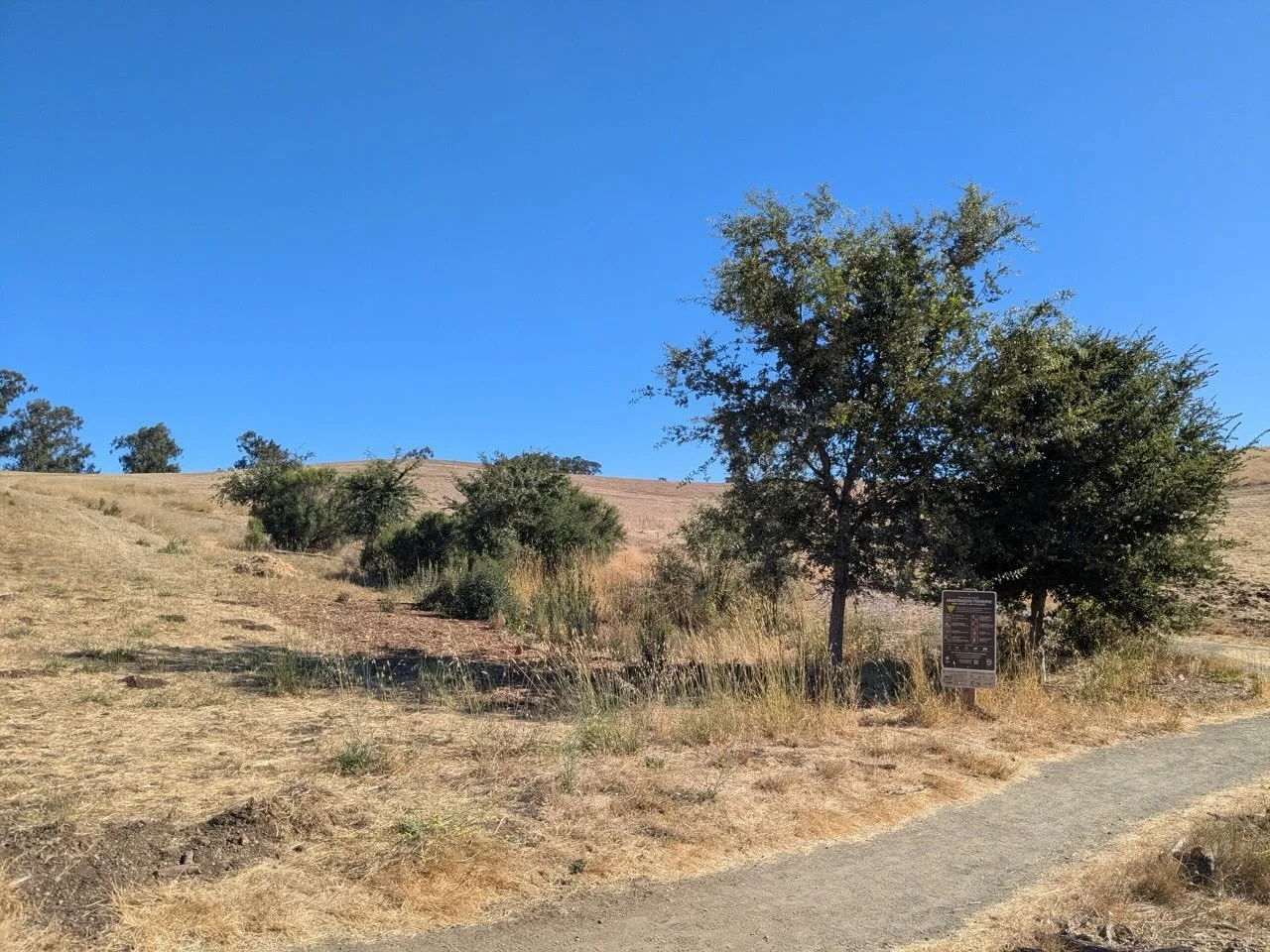
Now: Arroyo restoration area in 2026
What are your personal favorite things about this site?
Serena: Since we have such a big area to cover, we get to do lots of hiking in search of weeds to manage. I love that my job includes hiking, and that we get to find cool things like birds, wildflowers, and snakes throughout the preserve.
Also trying restoration techniques like burn piles, gully stuffing, and timed mowing for new and changing projects.
Hannah: I like seeing the layers and years of restoration throughout our project areas. I love getting to hike throughout the preserve when we’re doing invasive monitoring and removal and finding pretty flowers along the way. I love sharing this place with the community!
A personal favorite: saying good morning to the spotted towhee that calls out every time I walk into the Gateway Garden.
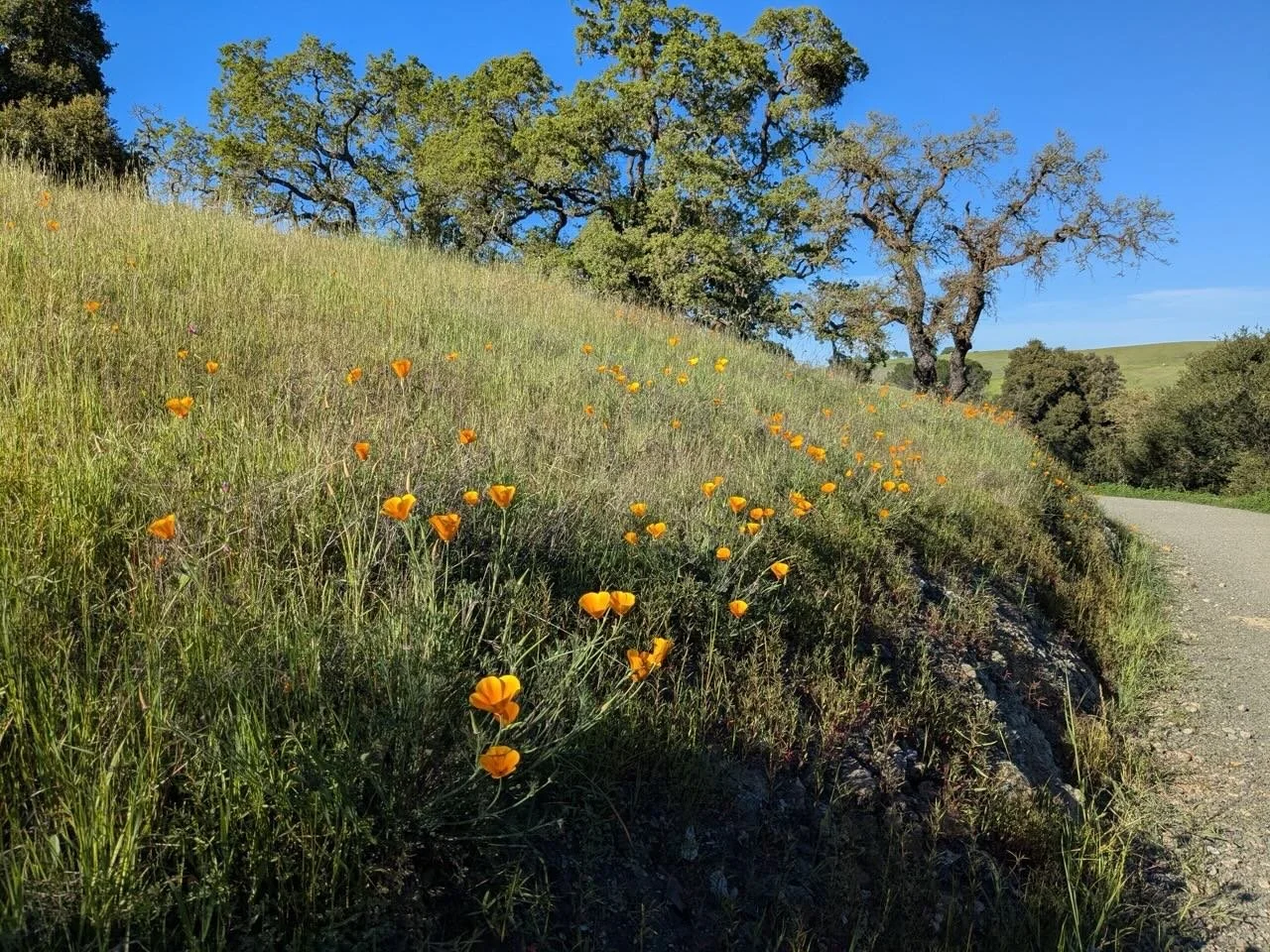
Hiking through wildflower displays is one of the many perks of working at Arastradero Preserve.
Is there a moment, achievement, or memory that you’re particularly proud of at this site?
Serena: It’s been really special to have the opportunity to apply my personal interest in good fire (a.k.a. “controlled” or "prescribed" fire) by collaborating with the City of Palo Alto Rangers to burn brush piles.
I’m excited to do more of this work since we’re making a tangible difference towards managing fire fuel loads at Arastradero Preserve and introducing the Los Altos Hills and Palo Alto communities to good fire practices. It’s also just fun to try out a new restoration technique and collaborate with the rangers on a shared interest.
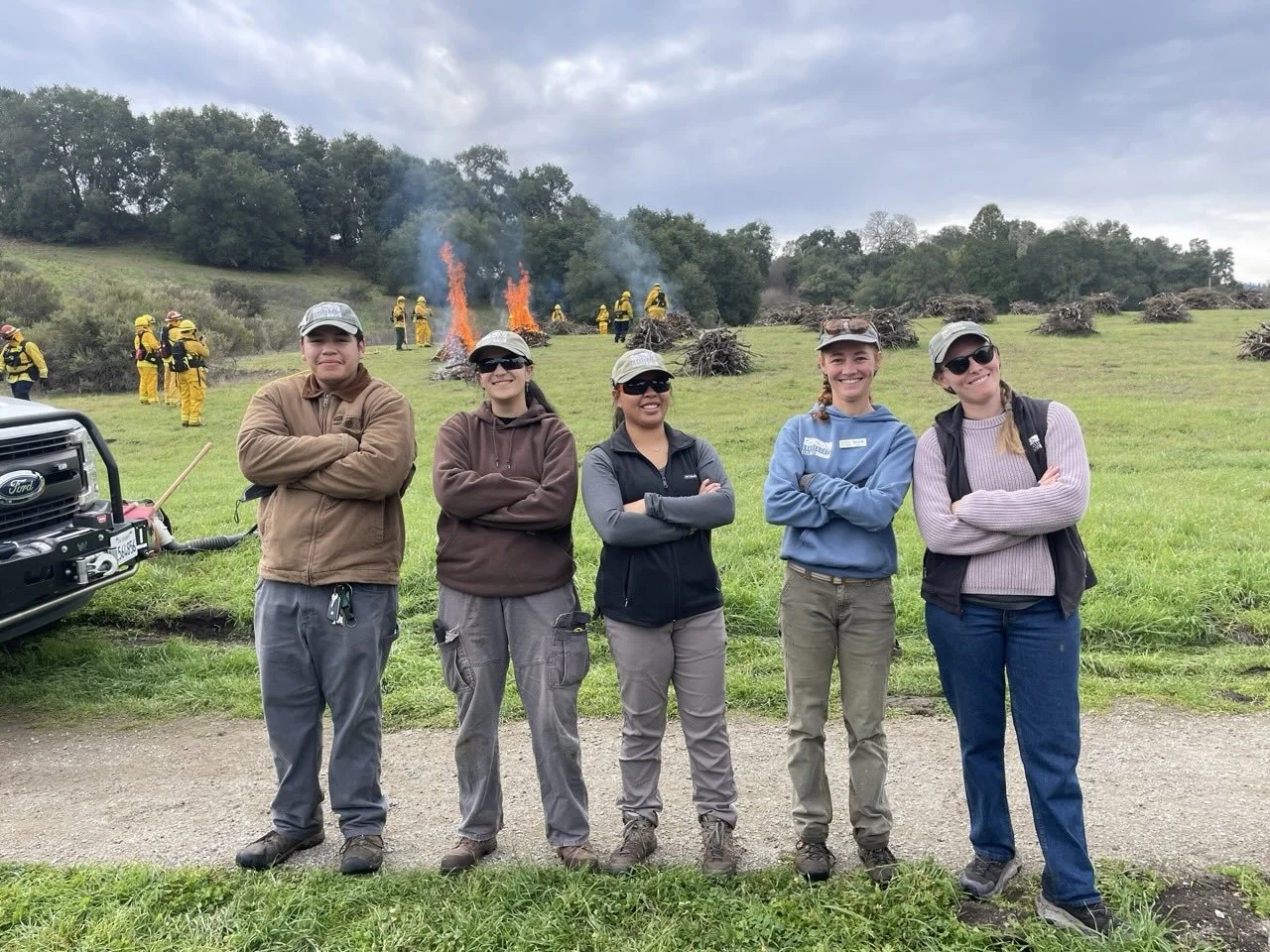
Hannah, Serena, and team collaborating with Palo Alto Rangers on pile burning—a highlight of their restoration work at Arastradero so far.
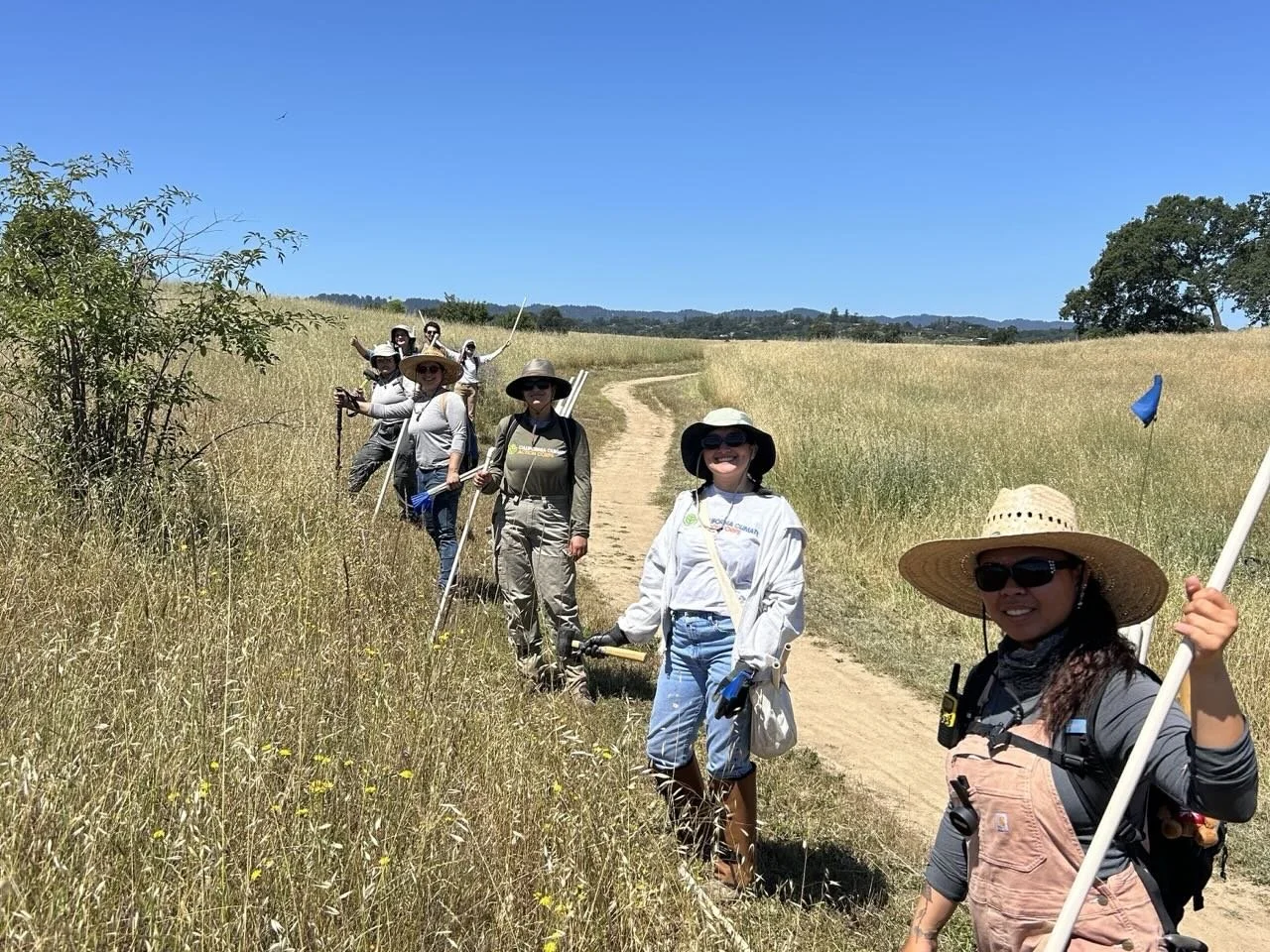
Each spring, it’s all hands on deck to scout for invasive medusahead grass at Arastradero Preserve.
On a lighter note, I also love coming up with silly names for volunteer events with our team and then seeing the volunteers get behind us—for example,“Be A Star” and “The Big Dig.” Hosting LGBTQ affinity group events with our California Climate Action Corps Member Andrea has been fun and affirming for me too.
Hannah: I love walking by a plant and remembering the steward or volunteer who planted it. I also love working with our full staff team to scout the preserve for invasive medusahead grass each spring. I can picture everyone lined up along the trail ready to search! It’s a good reminder of how much work we put into it and also how much support we provide one another.
What were some challenges (or challenging moments) in your work here?
Serena: It can get really hot and sunny doing field work, and sometimes we find ticks and mice in the office. But that’s all part of the fun… Type 2 fun? Digging up Harding grass can be really annoying and muddy, but getting a big volunteer group together is a great way to share the burden and is very rewarding!
Hannah: Site conditions can be harsh, especially in the summer. The teasel patch project was initially daunting (so much teasel!), but really rewarding to see how our native plantings are outcompeting and spreading. Another challenge has been how to manage encroaching and dead coyote brush throughout our main project area, but we found a solution this year with the burn piles! And then there was a gopher snake in the office once (or twice).
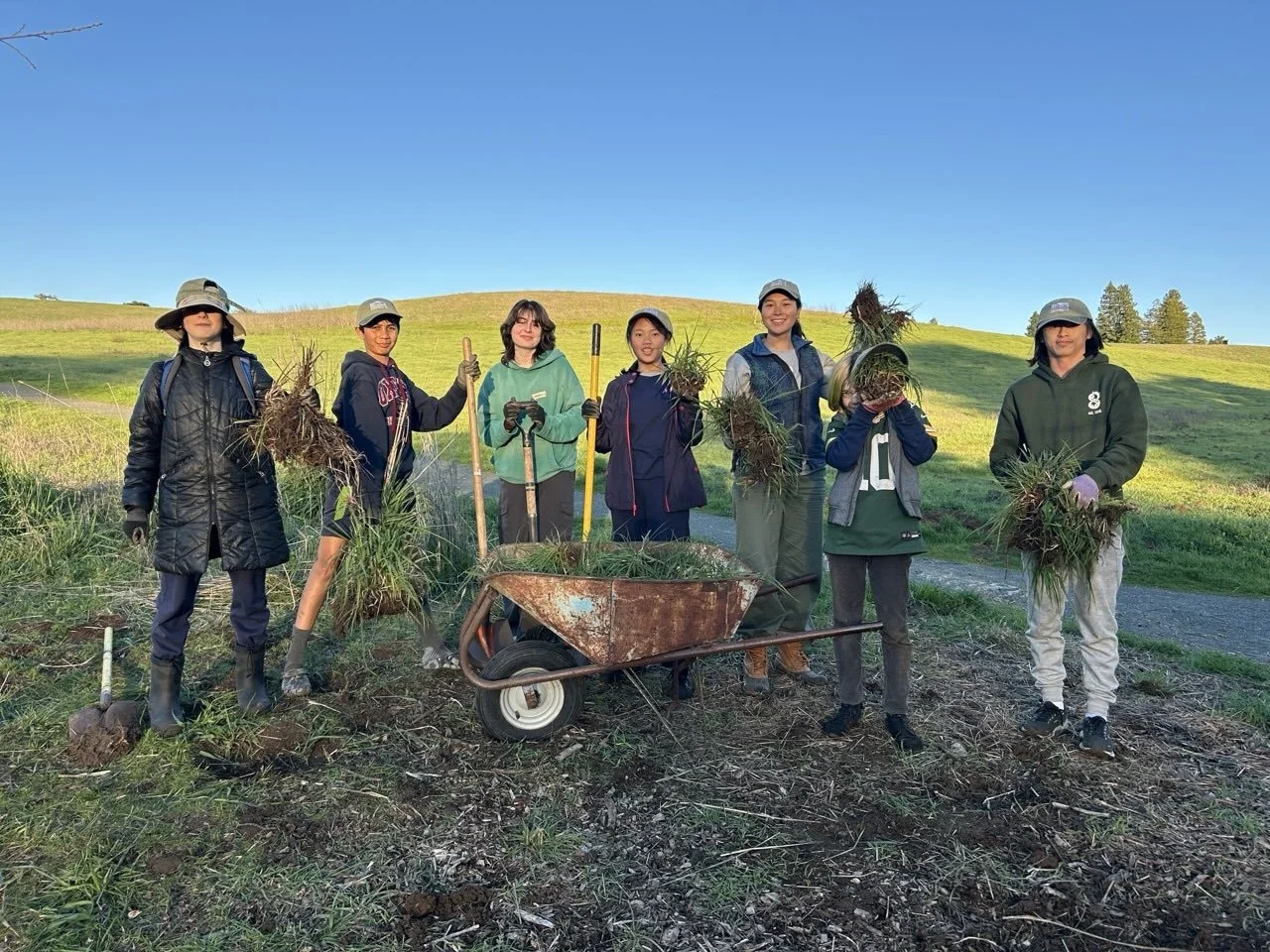
Type 2 fun! Arastradero Youth Stewards dig up Harding grass—taxing but rewarding work, and better when it’s done together.
How do you want to see this site look 10 years from now?
Serena: I hope there's less yellow starthistle and medusahead grass! I also hope to see more collaboration with partners and the community to bring good fire to our grasslands and promote native grasses and wildflowers.
Hannah: Ditto to what Serena said! Seeing a landscape unmarked by blue medusahead flags and mow circles in 10 years would be awesome. And I’d love to see the patches of Hemizonia wildflowers (a.k.a. tarweed) take off in the back 70 (the grassland at the northern edge of the preserve). I’d also love to see oaks growing where the eucalyptus trees were removed, with red shouldered hawks and barn owls nesting in them. I hope the lake is still full and the white crowned sparrows still come through the Gateway Garden every winter.
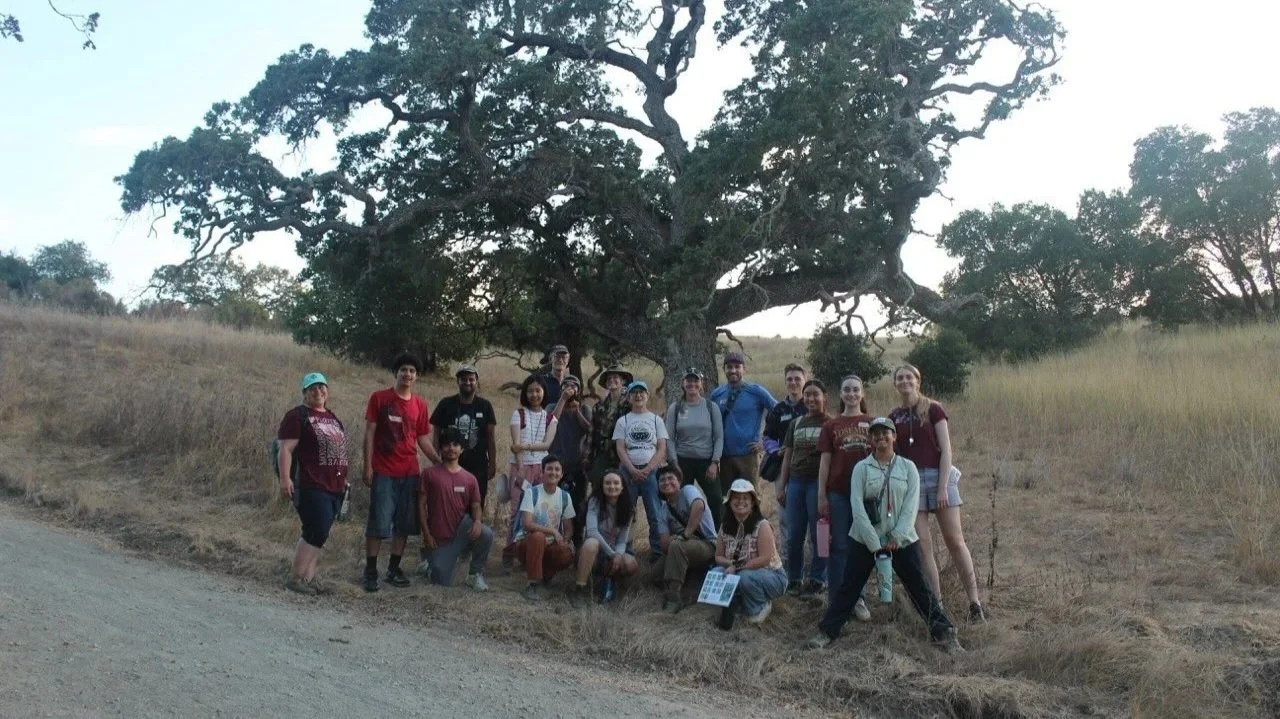
We hope to see even more collaboration with partners and the community at Arastradero Preserve in its next stage of stewardship. Will you be one of them?
Want to help bring this vision for Arastradero’s future to life? Explore our calendar of events to find upcoming volunteer opportunities, and learn more on our website. You can also support this work for years to come with a donation of any size. Whether you're new to Arastradero or have watched it change over the years, we hope you'll experience its next season of renewal alongside us.
By Serena Myjer, Ecologist, and Hannah Cunningham, Project Manager